Articles, page 5 of 7

Lyme Disease

Lyme Disease Blood Tests Explained: Why Standard Testing Misses Chronic Infections

Few areas in medicine generate as much frustration — for patients and physicians alike — as Lyme disease diagnostics. Patients suffering from debilitating symptoms are frequently told their blood tests are “negative” or “inconclusive,” leading to delayed treatment, misdiagnosis, and unnecessary…


· 9 min read

Lyme Disease

The Anti-Inflammatory Diet: A Science-Based Guide for Chronic Disease

Chronic low-grade inflammation is now recognized as a unifying mechanism behind virtually every major chronic disease — from cardiovascular disease and diabetes to cancer, autoimmune conditions, neurodegenerative disorders, and even depression. Unlike acute inflammation, which is a healthy,…

· 7 min read

Lyme Disease

Whole-Body Hyperthermia vs Local Hyperthermia: Understanding the Differences

Medical hyperthermia — the controlled therapeutic application of heat — is one of the oldest treatment principles in medicine. Hippocrates observed that fever could cure disease, and modern hyperthermia harnesses this principle with precision engineering, real-time temperature monitoring, and…

· 8 min read

Lyme Disease

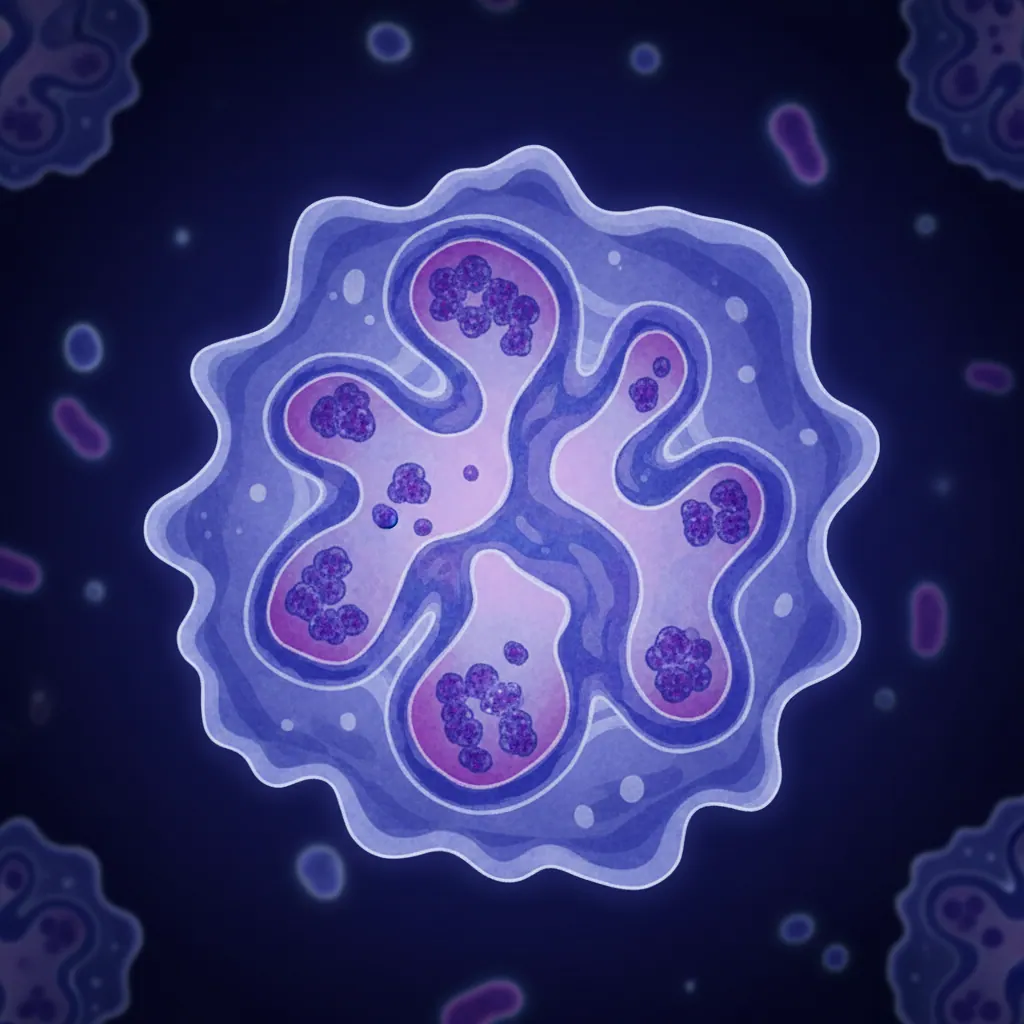
Ehrlichia and Anaplasma: The Tick-Borne Co-Infections Attacking White Blood Cells

Ehrlichia and Anaplasma are obligate intracellular bacteria transmitted by tick bites that cause two closely related diseases — ehrlichiosis and anaplasmosis (formerly known as human granulocytic ehrlichiosis). What makes these pathogens particularly insidious is their target: unlike most…

· 8 min read

Longevity

Vitamin D and the Immune System: Why Optimal Levels Matter

Vitamin D is far more than a nutrient for bone health. Over the past two decades, research has revealed that vitamin D functions as a powerful immunomodulator, influencing both innate and adaptive immune responses. Nearly every immune cell in the human body — from T-lymphocytes

· 7 min read

Lyme Disease

Lyme Disease Co-Infections: Babesia, Bartonella, Ehrlichia — What You Need to Know

When a tick bites, it rarely transmits just one pathogen. Research published in the Journal of Clinical Microbiology confirms that ticks frequently carry multiple infectious agents simultaneously — meaning a single bite can deliver Borrelia burgdorferi (the bacterium responsible for Lyme…

· 7 min read

Lyme Disease

Glutathione: The Master Antioxidant Your Body Cannot Function Without

Glutathione (GSH) is a tripeptide composed of three amino acids — glutamine, cysteine, and glycine — present in virtually every cell of the human body. It is the most abundant intracellular antioxidant, and its importance to health cannot be overstated. While vitamins C

· 7 min read

Lyme Disease

Ozone Therapy Benefits: Evidence, Applications, and What to Expect

Ozone therapy is a medical treatment that uses ozone (O3) — a molecule composed of three oxygen atoms — to stimulate the body’s healing mechanisms, modulate the immune system, and combat infection. While ozone occurs naturally in the atmosphere, medical-grade ozone is produced from pure medical…

· 7 min read

Lyme Disease

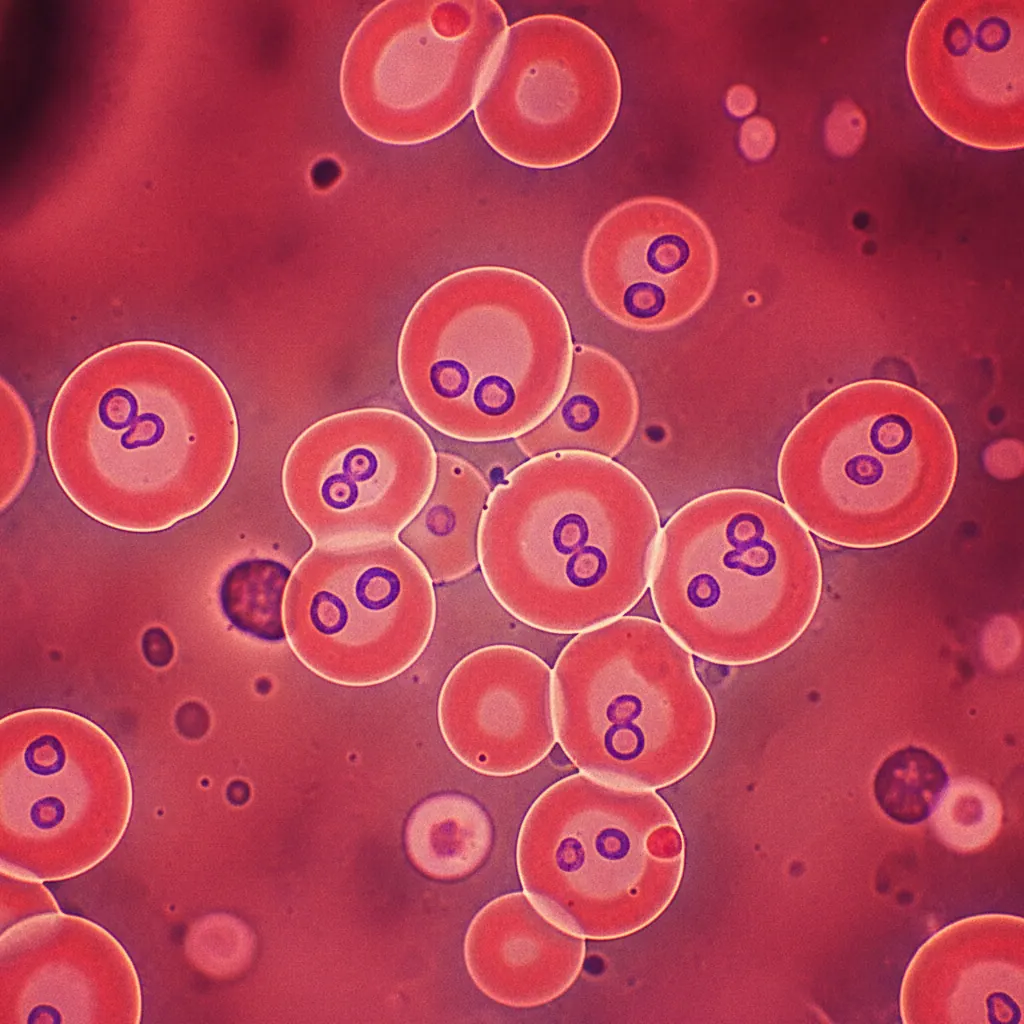
Babesia: The Malaria-Like Co-Infection That Complicates Lyme Disease

Babesia is a genus of protozoan parasites that infect red blood cells, causing a disease known as babesiosis. Often described as a “malaria-like” infection due to its similar mechanism of pathology, Babesia is transmitted primarily through tick bites — the same Ixodes ticks that carry Borrelia…

· 8 min read

Lyme Disease

Low-Dose Chemotherapy (IPT): Insulin Potentiation Therapy Explained

Low-dose chemotherapy, often delivered through a method called insulin potentiation therapy (IPT), is an integrative oncology approach that uses significantly reduced doses of chemotherapy drugs — typically 10–25% of conventional doses — combined with insulin to enhance their uptake by cancer…

· 6 min read

Request a consultation

A video consultation in English before you travel. A physician reviews your findings first; we reply by email within one business day (Mon–Fri).

Mon–Thu 08:00–17:00, Fri 08:00–14:00 (CET/CEST)+49 8061 398-0info@clinicum-stgeorg.de

St. George Hospital is a specialist hospital, not an emergency department. In a medical emergency in Germany, dial 112.

CallRequest