Is this you?

Your stomach has been running your life for longer than you admit.

You know which restaurants are safe. You know where the restrooms are on the drive to work. Antibiotics for something else made it worse; a probiotic from the pharmacy did nothing. Your doctor said IBS, which named the problem without explaining it.

Here is how we look at the gut, what a microbiome analysis actually shows, and what we do with the result.

The Foundation of Health

Why Gut Health Is Central to Everything

The human gut contains approximately 100 trillion microorganisms — collectively known as the microbiome — that influence immune regulation, nutrient absorption, hormone metabolism, neurotransmitter production, and inflammatory balance.

When the microbiome is disrupted (dysbiosis) or the intestinal barrier becomes permeable (“leaky gut”), the consequences extend far beyond digestive symptoms. Bacterial endotoxins (LPS) entering the bloodstream trigger systemic inflammation. Impaired nutrient absorption leads to subclinical deficiencies. Disrupted neurotransmitter production affects mood, sleep, and cognition. Immune dysregulation increases susceptibility to autoimmune conditions and chronic infections.

At St. George Hospital, we approach gut health as a critical component of treatment for virtually every condition we treat — from Lyme disease and CFS to cancer and longevity medicine.

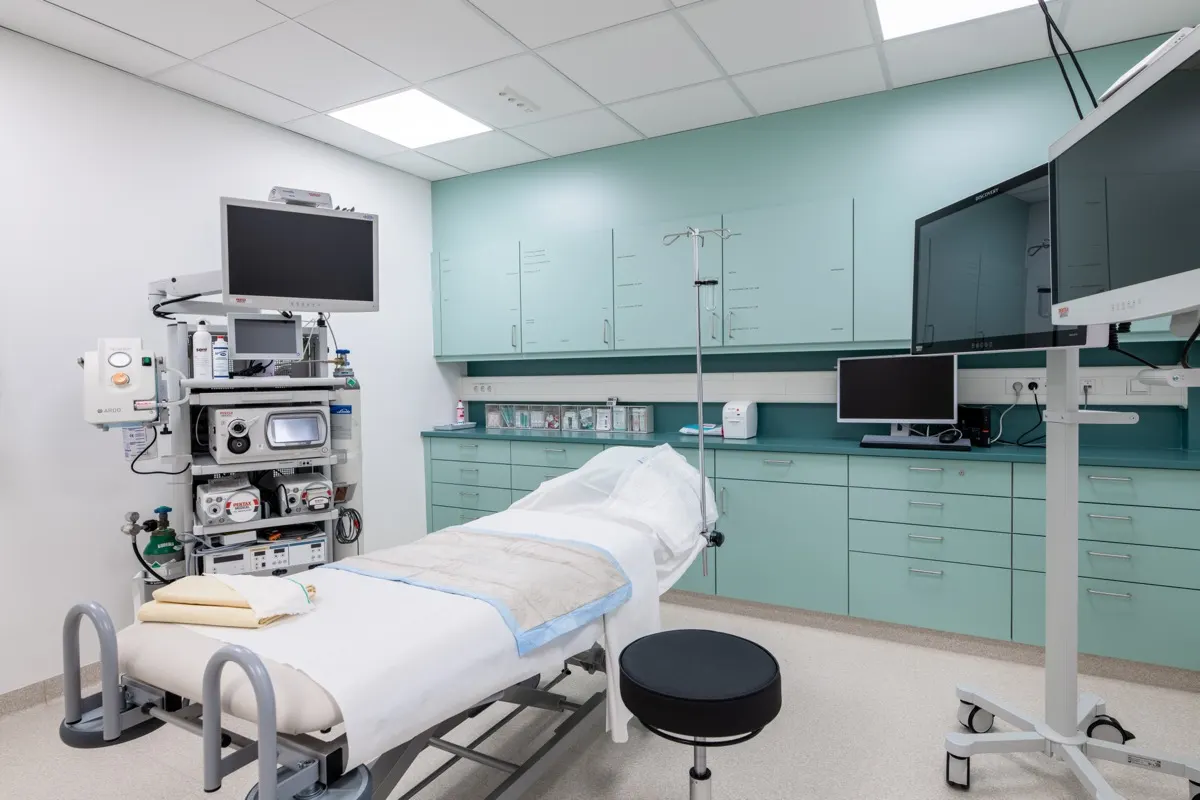
Endoscopy diagnostic procedure at St. George Hospital Germany
What we test

How We Assess Gut Health

Comprehensive Stool Analysis

Detailed analysis of bacterial composition, diversity, beneficial and pathogenic species, fungal overgrowth (Candida), parasites, digestive enzyme function, inflammation markers (calprotectin, lactoferrin), and short-chain fatty acid production.

Intestinal Permeability Test

Zonulin levels and lactulose-mannitol testing assess the integrity of the intestinal barrier. Elevated permeability ("leaky gut") allows bacterial toxins to enter the bloodstream, driving systemic inflammation.

Food Sensitivity Testing

IgG and IgA food antibody panels identify delayed food sensitivities that may be sustaining intestinal inflammation and barrier dysfunction. Elimination of trigger foods is often an important first step in gut repair.

Our Treatment Approach

The 5R Gut Restoration Protocol

1

Remove

Eliminate gut pathogens (bacterial overgrowth, Candida, parasites), trigger foods, and environmental irritants. Targeted antimicrobial therapy based on stool analysis findings, combined with dietary modification.

2

Replace

Restore digestive capacity with pancreatic enzymes, hydrochloric acid support (where indicated), and bile acid supplementation. Many patients with chronic gut issues have impaired digestive secretions.

3

Reinoculate

Repopulate the gut with beneficial bacteria using targeted, strain-specific probiotic therapy guided by stool analysis results. Prebiotic fibers that selectively feed beneficial species are introduced alongside.

4

Repair

Heal the intestinal lining with L-glutamine, zinc carnosine, butyrate, collagen peptides, and anti-inflammatory botanicals (curcumin, aloe, slippery elm). This restores barrier integrity and reduces endotoxin translocation.

5

Rebalance

Address lifestyle factors that influence gut health: stress management (cortisol damages the gut barrier), sleep optimization, exercise, and long-term dietary guidance to maintain microbiome diversity.

Connected Conditions

Gut Health Impacts These Conditions

Chronic Fatigue

Gut dysbiosis and leaky gut are consistently found in CFS patients. Restoring gut health reduces systemic inflammation and improves energy.

See the chronic fatigue programme →

Post-COVID

SARS-CoV-2 disrupts the gut microbiome significantly. Gut restoration is an essential component of Long COVID recovery.

See the Long COVID programme →

Lyme Disease

Antibiotic treatment for Lyme damages the microbiome. Gut restoration supports immune recovery and reduces treatment side effects.

See the Lyme programme →
Related therapies

Therapies Supporting Gut Restoration

Ozone Therapy

Rectal and systemic ozone therapy reduces pathogenic gut bacteria, supports mucosal healing, and modulates intestinal immune responses.

What ozone therapy involves →

Immune Therapy

Targeted immune modulation supports gut-associated lymphoid tissue (GALT) function, the largest immune organ in the body.

What immune therapy involves →

NAD+ IV Therapy

NAD+ supports cellular repair mechanisms in the intestinal lining and helps restore mucosal barrier integrity.

What NAD+ infusion involves →

Hormone Therapy

Hormonal imbalances directly affect gut motility, microbiome composition, and intestinal inflammation. Optimization supports digestive recovery.

What hormone therapy involves →

Request a consultation

A video consultation in English before you travel. A physician reviews your findings first; we reply by email within one business day (Mon–Fri).

Mon–Thu 08:00–17:00, Fri 08:00–14:00 (CET/CEST)+49 8061 398-0info@clinicum-stgeorg.de

St. George Hospital is a specialist hospital, not an emergency department. In a medical emergency in Germany, dial 112.

CallRequest