
System Performance Assessment
Functional Diagnostics
Comprehensive testing that evaluates how the body’s systems function under normal and stressed conditions, identifying subclinical dysfunction before it manifests as overt disease.
What Is Functional Diagnostics?
Functional diagnostics goes beyond standard laboratory testing to assess how well the body’s physiological systems are actually performing. While conventional diagnostics often focus on identifying structural abnormalities or values outside reference ranges, functional testing evaluates the dynamic performance of metabolic, hormonal, immune, and autonomic systems.
At St. George Hospital, functional diagnostics are used to identify subtle imbalances and dysfunctions that may not be detected by standard tests but are contributing to the patient’s symptoms. This approach is central to our integrative medicine philosophy of treating the root cause rather than just the symptoms.
How Does It Work?
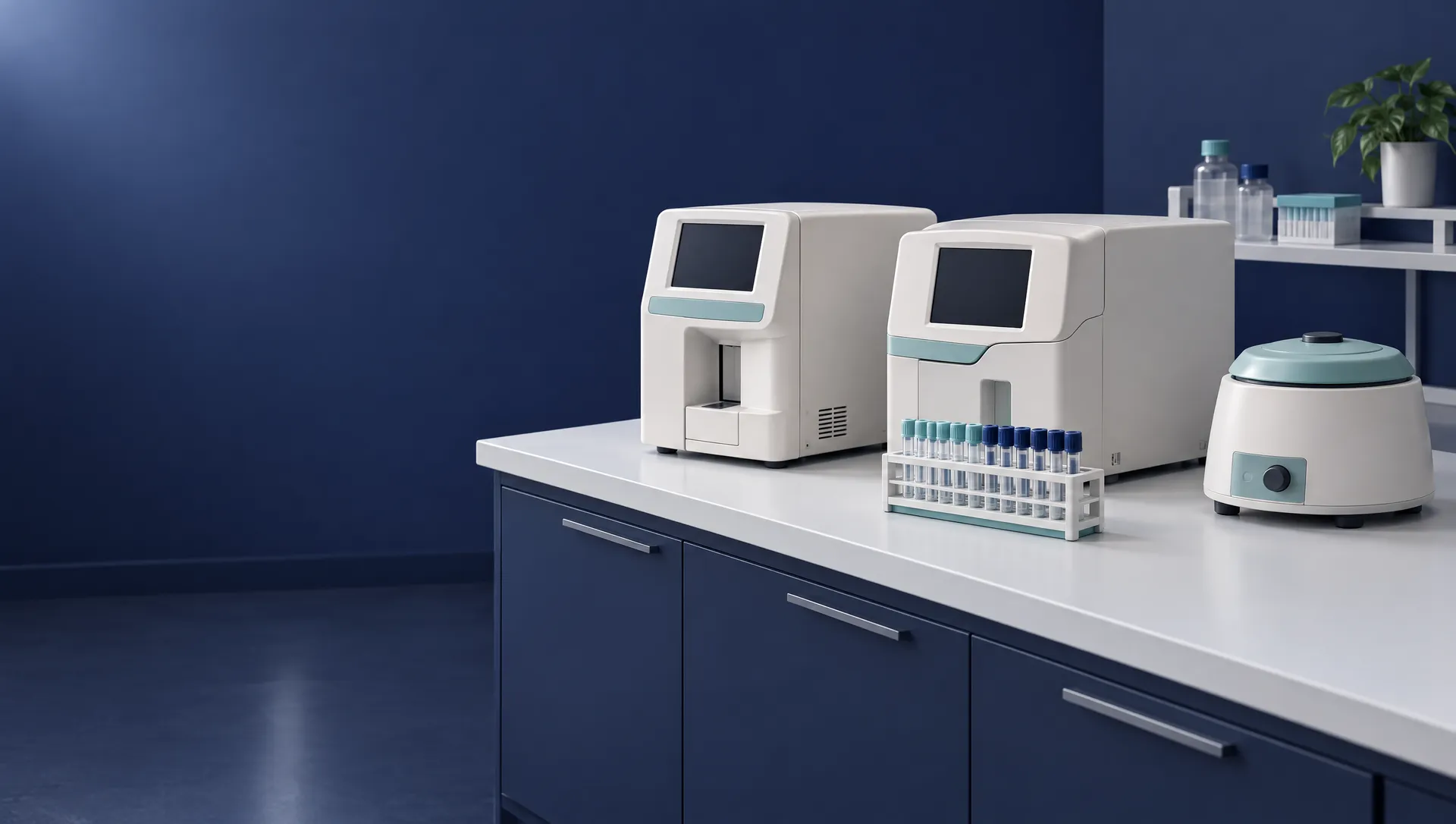
Functional diagnostic methods include heart rate variability (HRV) analysis for autonomic nervous system function, bio-impedance analysis for cellular health and body composition, mitochondrial function testing, comprehensive hormone profiling including diurnal cortisol patterns, and specialized metabolic panels that assess nutrient utilization, oxidative stress, and detoxification capacity.
Results from functional testing are interpreted in the context of the patient’s clinical presentation and symptoms, not merely compared to population reference ranges. This personalized interpretation allows our physicians to design targeted treatment protocols that address the specific functional deficits identified.
Conditions Treated
- Chronic fatigue and unexplained symptoms
- Hormonal imbalances
- Autonomic nervous system dysfunction
- Mitochondrial dysfunction assessment
- Metabolic syndrome evaluation
- Pre-treatment baseline assessment
- Treatment monitoring and outcome evaluation
Is This Therapy Right for You?
Our physicians will evaluate whether this treatment is appropriate for your condition after a thorough assessment.
What Does a Session Look Like?
Functional diagnostic testing varies by the specific tests ordered. Some tests involve blood draws or urine collection, while others use non-invasive devices such as HRV monitors or bio-impedance analyzers. Most testing can be completed within a few hours during the initial assessment phase of an inpatient program. Results are typically available within 1-3 days and are reviewed during a consultation with the attending physician.
Evidence & Safety
Functional diagnostic methods draw on established medical testing principles applied with greater granularity and clinical context. Heart rate variability analysis is supported by extensive research in Circulation, the European Heart Journal, and Clinical Autonomic Research. Mitochondrial function testing is grounded in biochemistry research published in Cell Metabolism and Biochimica et Biophysica Acta. At St. George Hospital, functional diagnostics are used to complement, not replace, standard medical diagnostics.
Request a consultation
A video consultation in English before you travel. A physician reviews your findings first; we reply by email within one business day (Mon–Fri).
Mon–Thu 08:00–17:00, Fri 08:00–14:00 (CET/CEST)+49 8061 398-0info@clinicum-stgeorg.de
St. George Hospital is a specialist hospital, not an emergency department. In a medical emergency in Germany, dial 112.