
Pain Treatment
Pain management
Effective pain management is essential to quality of life and treatment success. St. George Hospital uses a multimodal approach that combines conventional pain medicine with integrative therapies to address both the symptoms and underlying causes of pain.
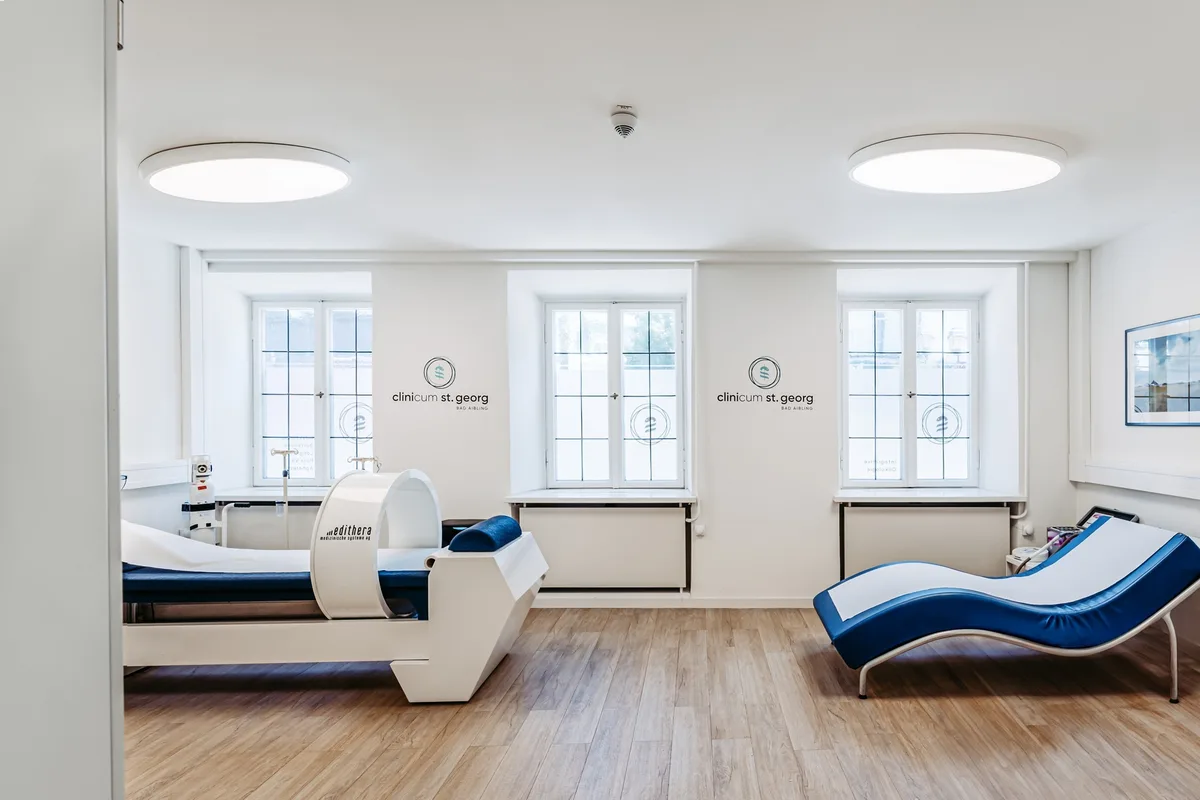
What it is
What is integrative pain management?
Pain management at St. George Hospital goes beyond prescribing medication. We recognize that chronic pain often involves multiple contributing factors, including inflammation, nerve damage, muscular dysfunction, toxic burden, and psychological distress. Our approach addresses these layers simultaneously using a combination of therapies tailored to each patient’s pain profile.

How it works
How does it work?
Our pain management protocols may include medical pain therapy (appropriate pharmacological intervention), neural therapy and local injections, acupuncture, TENS and electrotherapy, manual therapy and physiotherapy, psychological pain management techniques, anti-inflammatory infusion therapy, and hyperthermia for pain-related conditions. The approach is always multimodal and individualized.
Who it is for
What conditions does it treat?
- Cancer-related pain
- Chronic neuropathic pain
- Musculoskeletal pain
- Post-surgical pain
- Pain associated with Lyme disease
- Fibromyalgia and chronic pain syndromes
Could this belong in your plan?
That depends on your findings, not on the therapy. Write to the International Office with a short history; it requests your records afterwards, and a physician reviews them before the video consultation and tells you whether this treatment belongs in your program.
In the room
What the sessions feel like
- Before Pain management runs through your whole program rather than as a separate appointment; the plan is written into your daily schedule.
- During A brief injection procedure takes 15–30 minutes. An infusion-based treatment takes 1–2 hours in a chair. Physical and manual therapy sessions last 30–60 minutes.
- Afterwards The plan is reviewed regularly and adjusted to how you respond, not to a fixed protocol.
Outpatient option
When pain processing in the brain is the target
In long-standing pain the nervous system itself can amplify signals. The Douwes Brain Center, the outpatient neuromodulation department of our hospital, assesses whether neuromodulation such as tDCS or rTMS is suitable.
Evidence
Evidence & safety
Multimodal pain management is recognized as best practice by major pain medicine organizations worldwide. The individual modalities used at St. George Hospital, including neural therapy, acupuncture, and anti-inflammatory infusion therapy, each have published evidence supporting their use in chronic and cancer-related pain.
Where we use it
Used in these departments
Send a free inquiry
The initial inquiry is free of charge. The International Office reviews your message and your case directly and gets back to you.
- Phone
- +49 8061 398-0
- Hours
- Mon–Thu 08:00–17:00, Fri 08:00–14:00 German time (CET/CEST); in the US Mon–Thu 2–11 a.m. ET, Fri 2–8 a.m. ET.
Munich Airport (MUC), about 60 minutes by car.