
Destroy the Tumor
Hyperthermia, IPT low-dose chemotherapy, photodynamic therapy, and ECT target cancer cells directly while minimizing collateral damage to healthy tissue.
Rosenheimer Str. 6-8, 83043 Bad Aibling, Germany · info@clinicum-stgeorg.de
Cancer Therapy
We treat the patient, not just the tumor. Our integrative approach combines evidence-based biological therapies with conventional oncology to improve outcomes, reduce side effects, and support quality of life.
Or you heard the gentler version: “Let’s focus on quality of life.” You have spent nights reading about hyperthermia, IPT and immune therapy, and you cannot tell the evidence from the noise. You want a physician to sort it with you, honestly.
This page describes what integrative oncology means here, what we combine, and how we grade the evidence for each therapy.
Conventional oncology excels at destroying cancer cells through surgery, chemotherapy, and radiation. But cancer is a systemic disease. Destroying the tumor without addressing the biological terrain that enabled it often leads to recurrence, treatment resistance, and a diminished quality of life.
Integrative oncology asks a different question: how can we fight the cancer while simultaneously strengthening the patient? This means supporting the immune system, optimizing cellular metabolism, reducing inflammation, managing side effects, and restoring the body’s own anti-cancer defenses.
At St. George Hospital, integrative oncology is not an alternative to conventional treatment. It is a more complete form of cancer care that addresses the full complexity of the disease. Under the clinical leadership of Dr. Martin Rößner and Dr. Frederick Götte, our oncology program combines decades of experience in internal medicine, hematology, and biological cancer therapies.

Hyperthermia, IPT low-dose chemotherapy, photodynamic therapy, and ECT target cancer cells directly while minimizing collateral damage to healthy tissue.
Dendritic cell therapy, mistletoe injections, thymus peptides, and fever therapy reawaken the immune system's ability to recognize and attack cancer cells.
Liver support, high-dose vitamin C, glutathione, and targeted detoxification reduce the toxic burden from both cancer metabolism and prior treatments.
Anti-inflammatory nutrition, hormonal balancing, microbiome restoration, and stress management address the biological conditions that allow cancer to thrive.
Our integrative oncology program serves patients at every stage of their cancer journey:
We treat a wide range of cancer types. The most common at St. George Hospital include breast cancer, prostate cancer, colorectal cancer, lung cancer, pancreatic cancer, and lymphoma.
Before your arrival, our oncology team reviews your complete medical history, pathology reports, imaging, and prior treatment records. We may request additional laboratory work.
Upon arrival, you undergo a comprehensive evaluation including immune status, tumor markers, circulating tumor cell analysis, nutritional status, organ function, and overall health assessment.
Our medical team develops a personalized protocol drawing from our full range of therapeutic modalities, tailored to your cancer type, stage, prior treatments, and current health.
During your 2-4 week stay, you receive daily treatments according to your protocol. These may include hyperthermia, IPT, immune therapy, IV nutrients, and supportive care.
You receive a detailed discharge plan, ongoing supplementation guidance, and scheduled follow-up consultations. Many patients return for maintenance cycles every 3-6 months.
St. George Hospital has practised integrative oncology since its founding in 1991. Our experience encompasses:
We are transparent about what integrative oncology can and cannot do. We do not make promises of cure. We offer honest, experienced medical guidance and a comprehensive treatment approach that has helped thousands of patients.
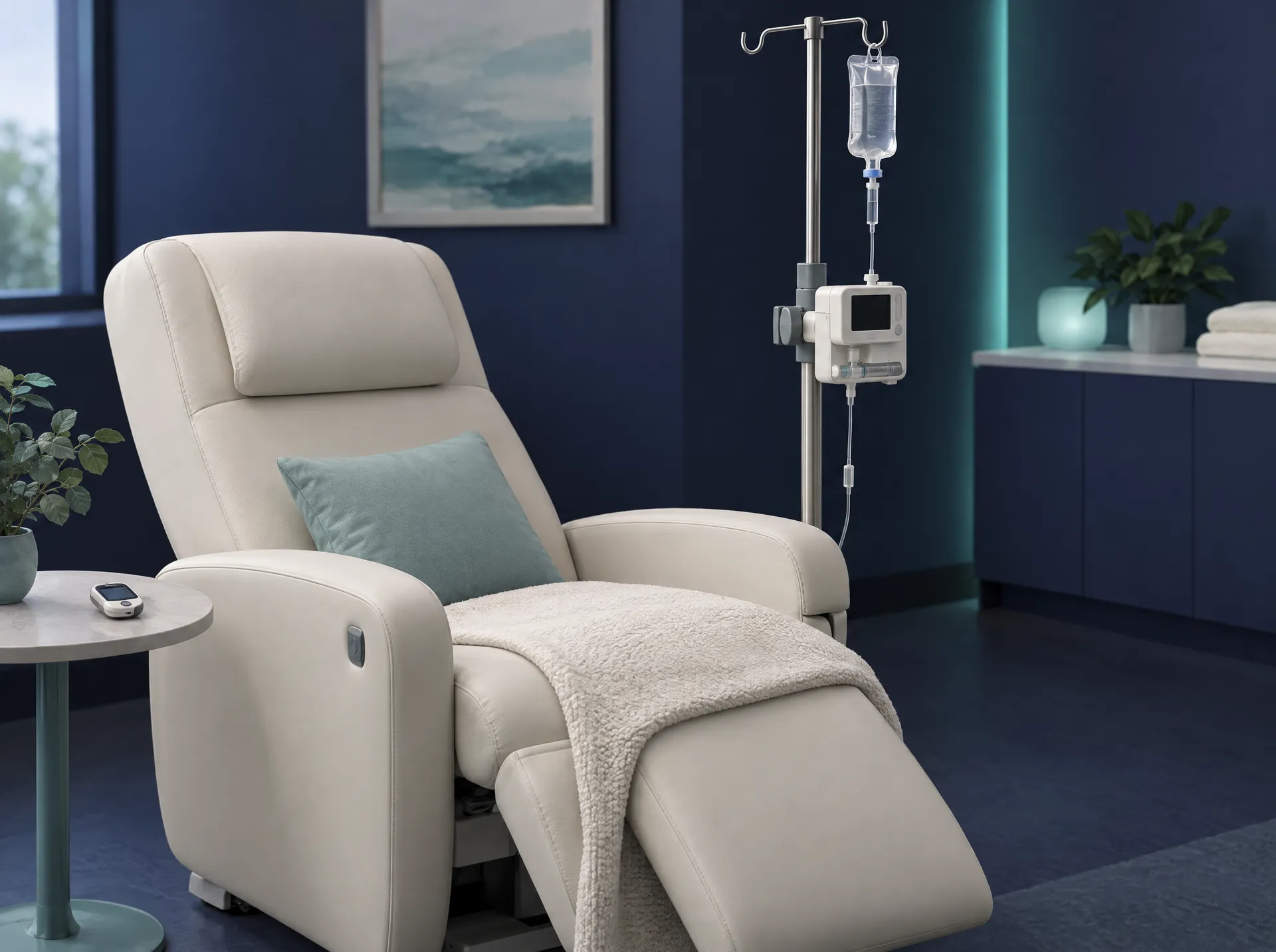
Systemic fever-range therapy activates immune defenses, enhances drug delivery, and directly damages cancer cells through heat stress.
What a whole-body hyperthermia session involves →Low-dose insulin-potentiated chemotherapy targets cancer cells more selectively, significantly reducing treatment side effects.
How IPT low-dose chemotherapy works →Photosensitizing agents activated by specific light wavelengths create reactive oxygen species that destroy tumor cells.
What photodynamic therapy involves →Comprehensive immune support including mistletoe, thymus peptides, and dendritic cell therapy to strengthen anti-cancer immunity.
What immune therapy involves →Targeted heat therapy applied directly to tumor regions increases sensitivity to concurrent chemotherapy and radiation.
What local-regional hyperthermia involves →A video consultation in English before you travel. A physician reviews your findings first; we reply by email within one business day (Mon–Fri).
Mon–Thu 08:00–17:00, Fri 08:00–14:00 (CET/CEST)+49 8061 398-0info@clinicum-stgeorg.de
St. George Hospital is a specialist hospital, not an emergency department. In a medical emergency in Germany, dial 112.