
Day 1 — Diagnostics & Orientation
Comprehensive blood work (immune panels, inflammatory markers, infection markers, ELISpot), first physician consultation, treatment plan review, and hospital orientation.
Rosenheimer Str. 6-8, 83043 Bad Aibling, Germany · info@clinicum-stgeorg.de
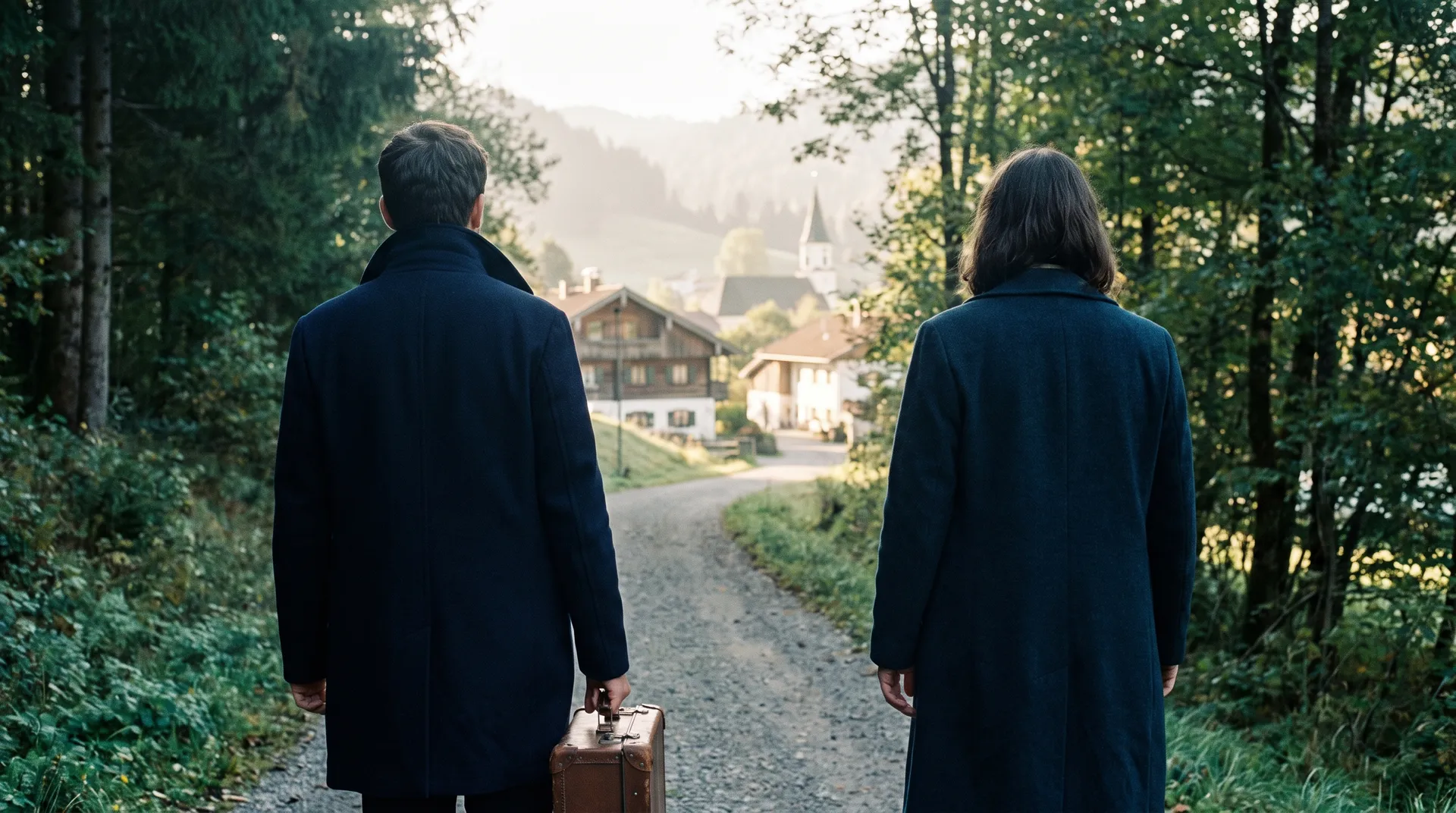
What to Expect
Traveling abroad for medical treatment is a significant decision. We have designed every step of the process to be transparent, well-organized, and supportive, so you can focus entirely on your health.
It starts with an email or a form, often written late at night after a long search. You do not need to have it all organised. Tell us what happened, what you have tried, and attach what you have. A person reads it, not a system.

Before anyone books a flight, you talk to a physician on video from your own kitchen table. They have read your findings beforehand, so the call is about you: whether a stay makes sense, what it would involve, and how long.
Once you say yes, one coordinator takes over the logistics and stays your contact until long after you are home. Flights, the transfer, a room for whoever comes with you, the visa letter: you send questions, they send answers.
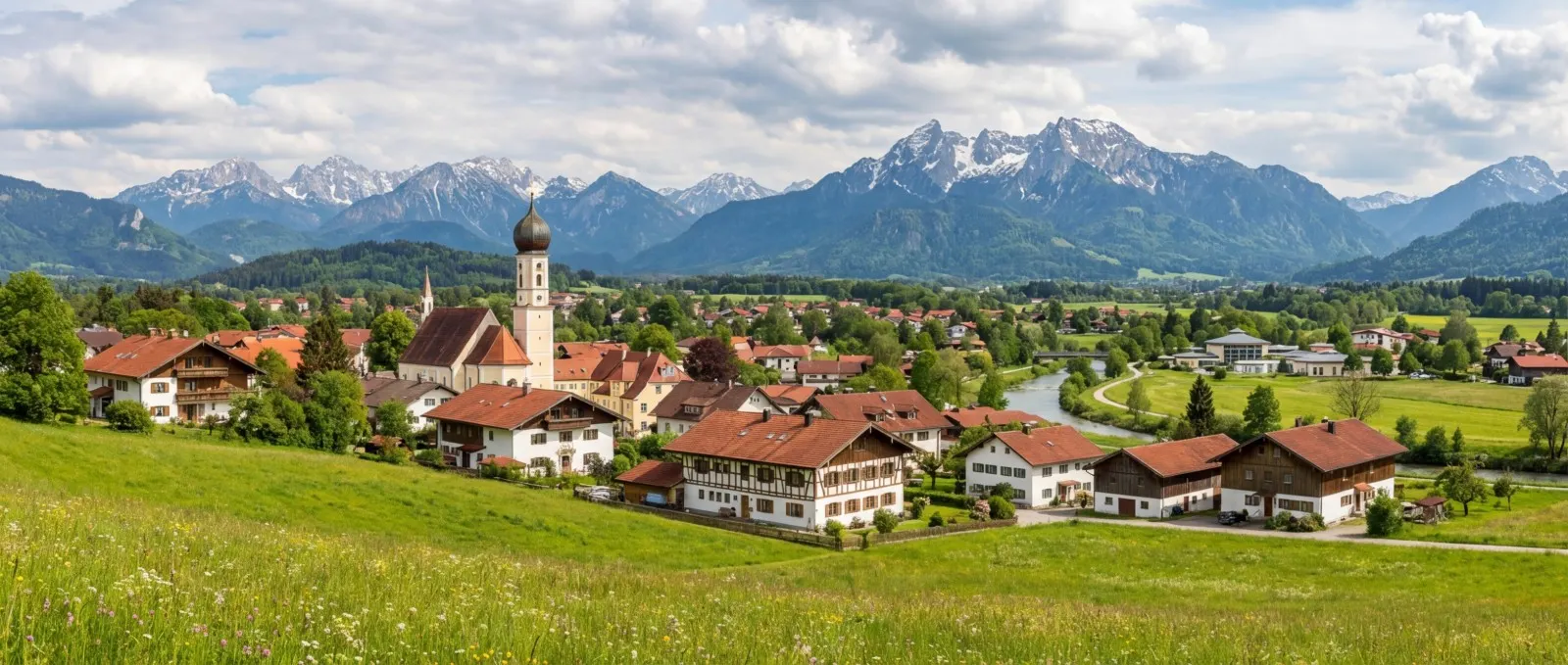
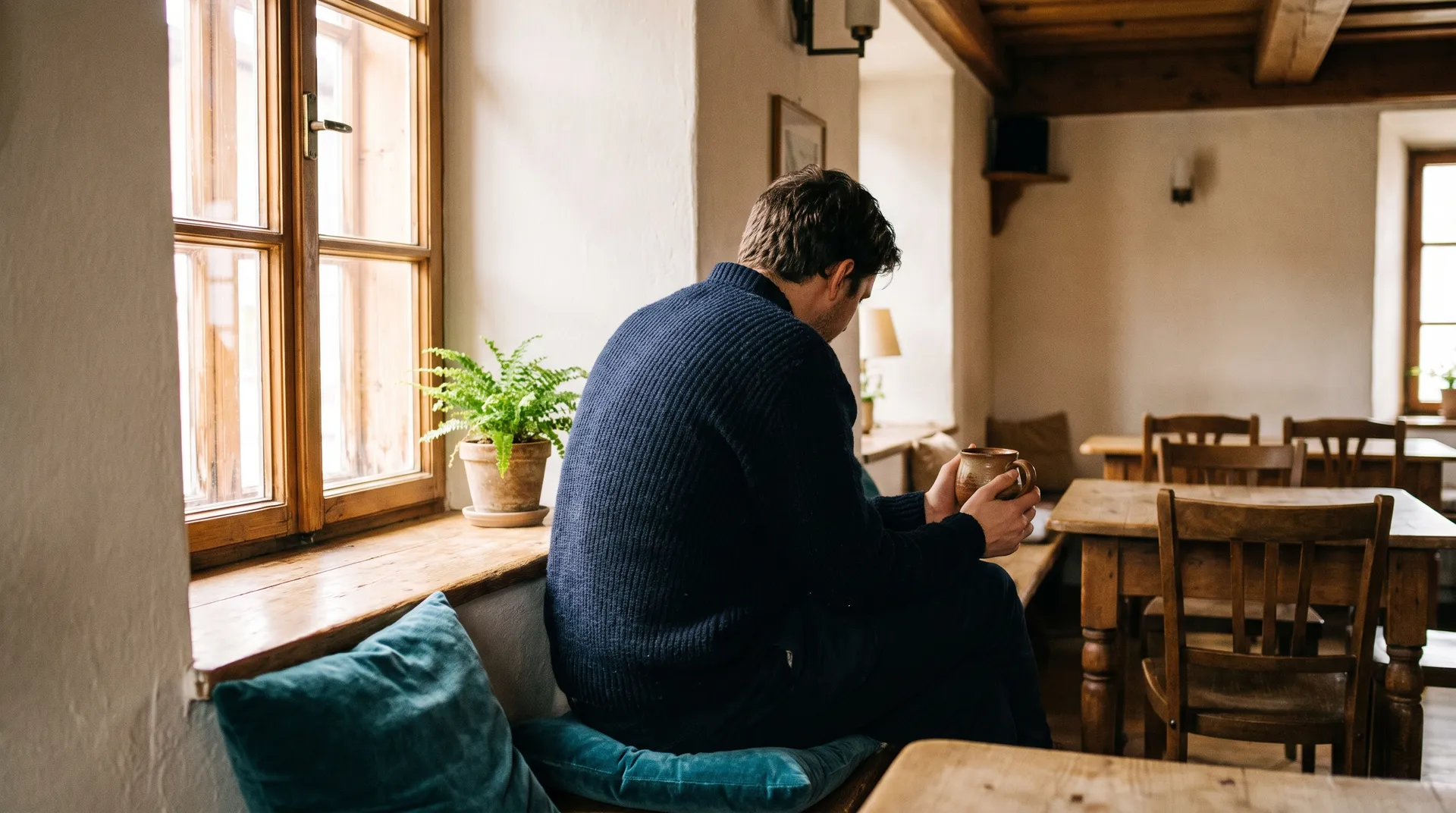
Your first morning here is quiet and busy at the same time. Your coordinator meets you at the door, shows you to your room and the ward, and a nurse draws blood early so the laboratory can start. Later that day you sit down with your lead physician, and the plan you discussed on video becomes a schedule with times on it.
No two programs are identical, but you will want to picture the days. Below is what a typical two-week Lyme disease stay looks like; other programs follow the same rhythm with different therapies.
Comprehensive blood work (immune panels, inflammatory markers, infection markers, ELISpot), first physician consultation, treatment plan review, and hospital orientation.
IV antibiotics begin, immune support infusions (high-dose vitamin C, glutathione), physiotherapy, and detoxification protocols initiated.
Whole-body hyperthermia at 41.6–41.8 °C (106.9–107.2 °F) for 120 minutes under continuous medical monitoring. IV antibiotics are given during the session, while the heat is working.
Post-hyperthermia recovery, continued IV antibiotics, detoxification infusions, physical therapy, and lymphatic drainage. Some patients experience a Herxheimer reaction, which is closely monitored and managed.
Follow-up laboratory testing, physician review of initial response, and protocol adjustment if needed. Treatment plan refined based on clinical response and updated lab values.
Second whole-body hyperthermia session with concurrent antibiotics. H.E.L.P. apheresis if indicated to remove inflammatory mediators, immune complexes, and circulating toxins. Continued immune support.
Continued antibiotics, immune support infusions, detoxification, and physical therapy. Final physician consultation, discharge planning, medication protocol, supplement recommendations, and follow-up schedule established.
Discharge is a handover, not an ending. You leave with a written report for your home physician and a follow-up schedule, and the physician who treated you stays reachable.
A video consultation in English before you travel. A physician reviews your findings first; we reply by email within one business day (Mon–Fri).
Mon–Thu 08:00–17:00, Fri 08:00–14:00 (CET/CEST)+49 8061 398-0info@clinicum-stgeorg.de
St. George Hospital is a specialist hospital, not an emergency department. In a medical emergency in Germany, dial 112.