
Whole-Body Hyperthermia
Systemic heat for immune activation and cancer treatment.
What a whole-body hyperthermia session involves →Rosenheimer Str. 6-8, 83043 Bad Aibling, Germany · info@clinicum-stgeorg.de
Hyperthermia Therapies
Hyperthermia is one of the cornerstone therapies at St. George Hospital. By using controlled heat, we can damage cancer cells, activate the immune system, enhance the effects of other treatments, and combat chronic infections.
Hyperthermia is a medical treatment in which body tissue is exposed to controlled, elevated temperatures. Cancer cells are more sensitive to heat than healthy cells, making hyperthermia an effective tool in oncology. Beyond cancer, hyperthermia is also used to treat chronic infections such as Lyme disease, as elevated temperatures can inhibit pathogen replication and stimulate immune activity.
St. George Hospital has been at the forefront of clinical hyperthermia for over 30 years, making it one of the most experienced hyperthermia centers in Europe. Hyperthermia protocols are supervised by Dr. Martin Rößner, Chief Physician for Internal Medicine and Oncology, who ensures that each treatment is tailored to the patient’s diagnosis and integrated into the broader therapeutic plan.
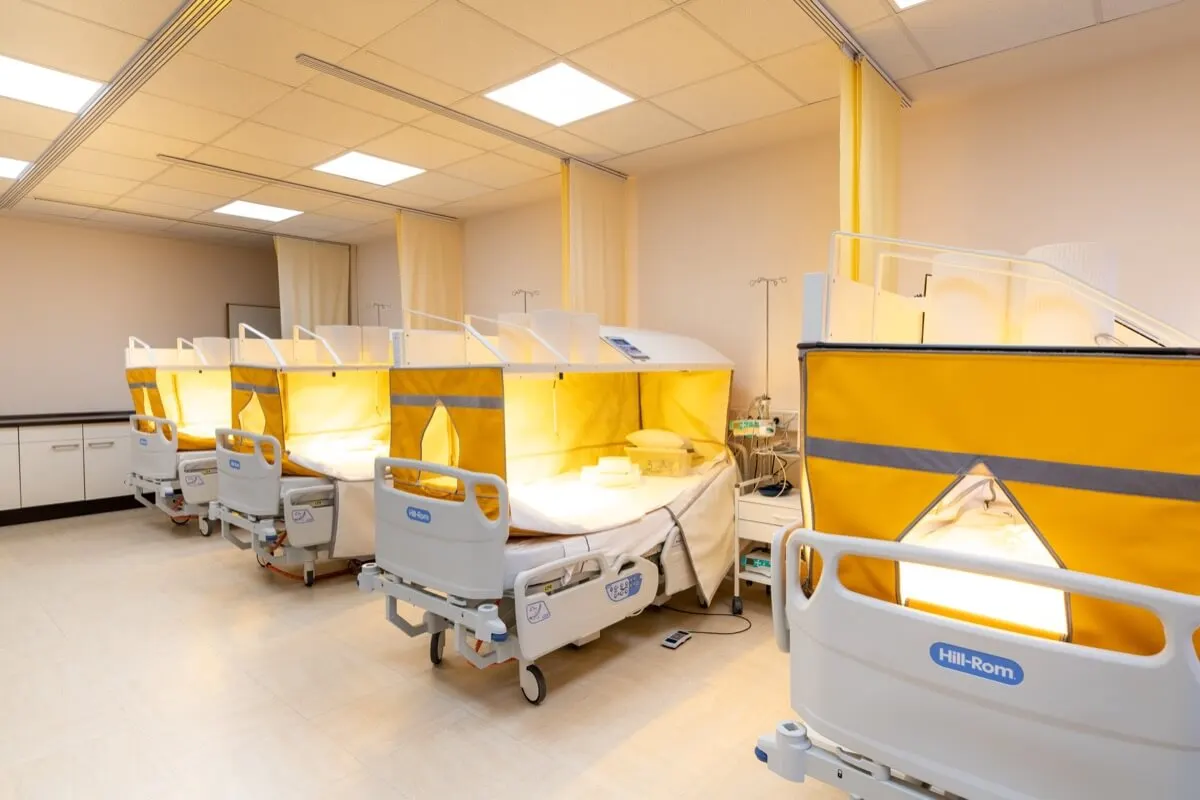
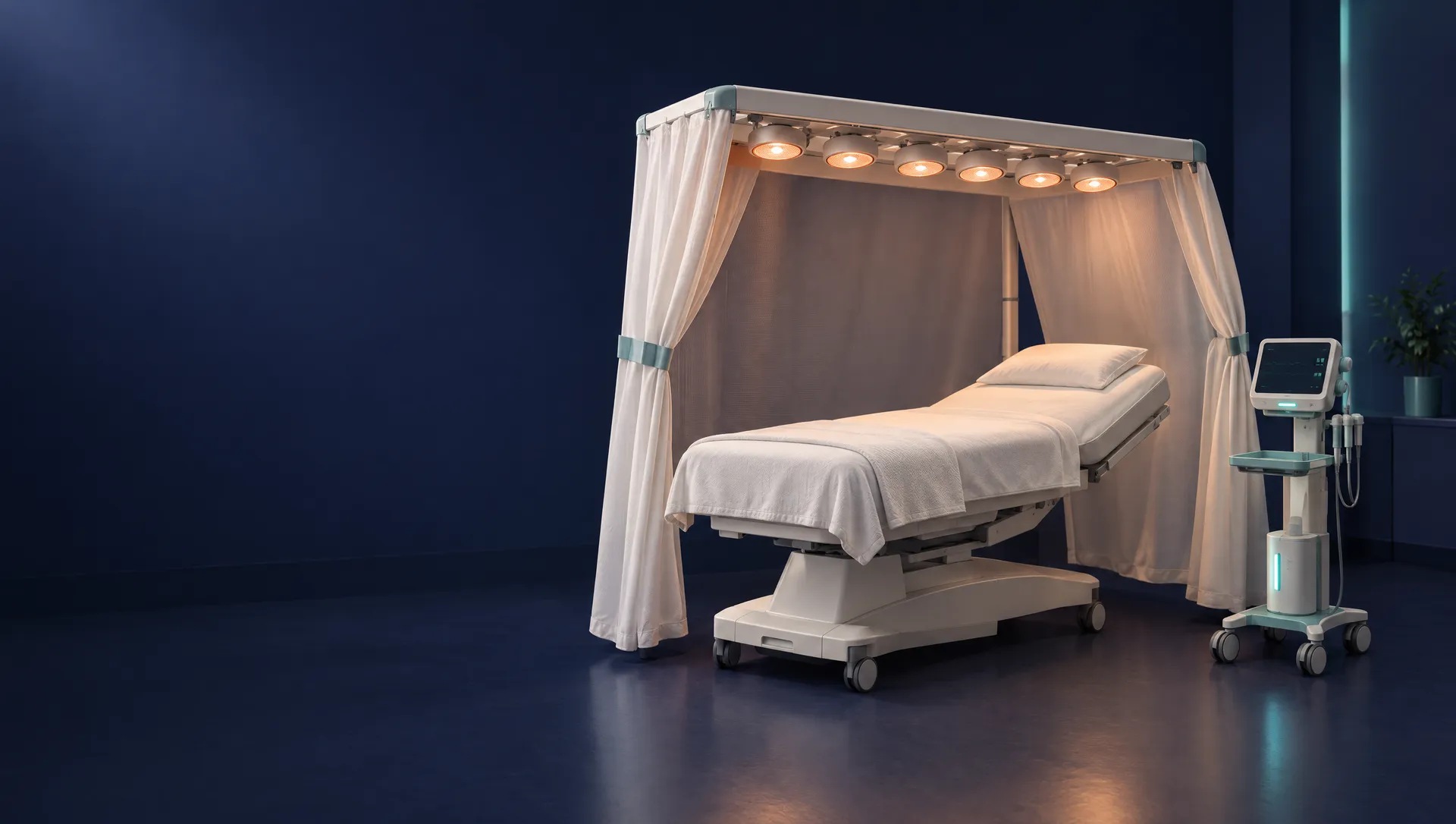
Heat is applied either to the whole body or to specific regions using specialized medical equipment. The elevated temperature causes direct damage to cancer cells and pathogens, increases blood flow to treated areas, enhances the delivery of medications, and activates immune cells including natural killer cells and heat shock proteins.
St. George Hospital offers multiple forms of hyperthermia, each suited to different clinical situations: whole-body, local-regional, prostate-specific, and high-frequency thermotherapy.
That depends on your findings, not on the therapy. Send what you have with a short history; a physician reads it before the video call and tells you whether this treatment belongs in your program.
The type of hyperthermia determines the session format. Whole-body hyperthermia sessions typically last 4-6 hours including preparation and recovery. Local-regional treatments are shorter, usually 60 minutes. Your physician will recommend the appropriate type and frequency based on your diagnosis and treatment goals.
Hyperthermia has been extensively studied in clinical trials and is recognized by international oncology guidelines as a valuable adjunct to conventional cancer treatment. St. George Hospital has contributed over 200 publications on hyperthermia and integrative cancer care. The therapy has a well-established safety profile when administered by experienced medical teams.
Systemic heat for immune activation and cancer treatment.
What a whole-body hyperthermia session involves →Targeted heat applied directly to tumor sites.
What local-regional hyperthermia involves →Specialized treatment for prostate conditions.
What prostate hyperthermia involves →High Frequency Thermotherapy for deep tumors.
What high-frequency thermotherapy involves →Hyperthermia is used for solid tumours, chronic Lyme disease and its co-infections, post-COVID syndrome, chronic fatigue syndrome and chronic inflammatory conditions. Whether it is suitable for you depends on your individual diagnosis; our physicians recommend it only after a thorough assessment.
Four forms, each suited to a different clinical situation: whole-body hyperthermia, local-regional hyperthermia applied directly to tumour sites or infected tissue, prostate hyperthermia, and high-frequency thermotherapy (HFTT) for deep tumours. Your physician recommends the type and frequency based on your diagnosis and treatment goals.
Whole-body hyperthermia sessions typically last 4 to 6 hours including preparation and recovery. Local-regional treatments are shorter, usually about 60 minutes.
Hyperthermia protocols are supervised by Dr. Martin Rößner, Chief Physician for Internal Medicine and Oncology, who tailors each treatment to the diagnosis and integrates it into the overall plan. The therapy has been studied extensively in clinical trials, is recognised by international oncology guidelines as an adjunct to conventional cancer treatment, and has a well-established safety profile when administered by experienced medical teams.
A video consultation in English before you travel. A physician reviews your findings first; we reply by email within one business day (Mon–Fri).
Mon–Thu 08:00–17:00, Fri 08:00–14:00 (CET/CEST)+49 8061 398-0info@clinicum-stgeorg.de
St. George Hospital is a specialist hospital, not an emergency department. In a medical emergency in Germany, dial 112.