
Lyme Disease
Understanding Herxheimer Reactions During Lyme Treatment
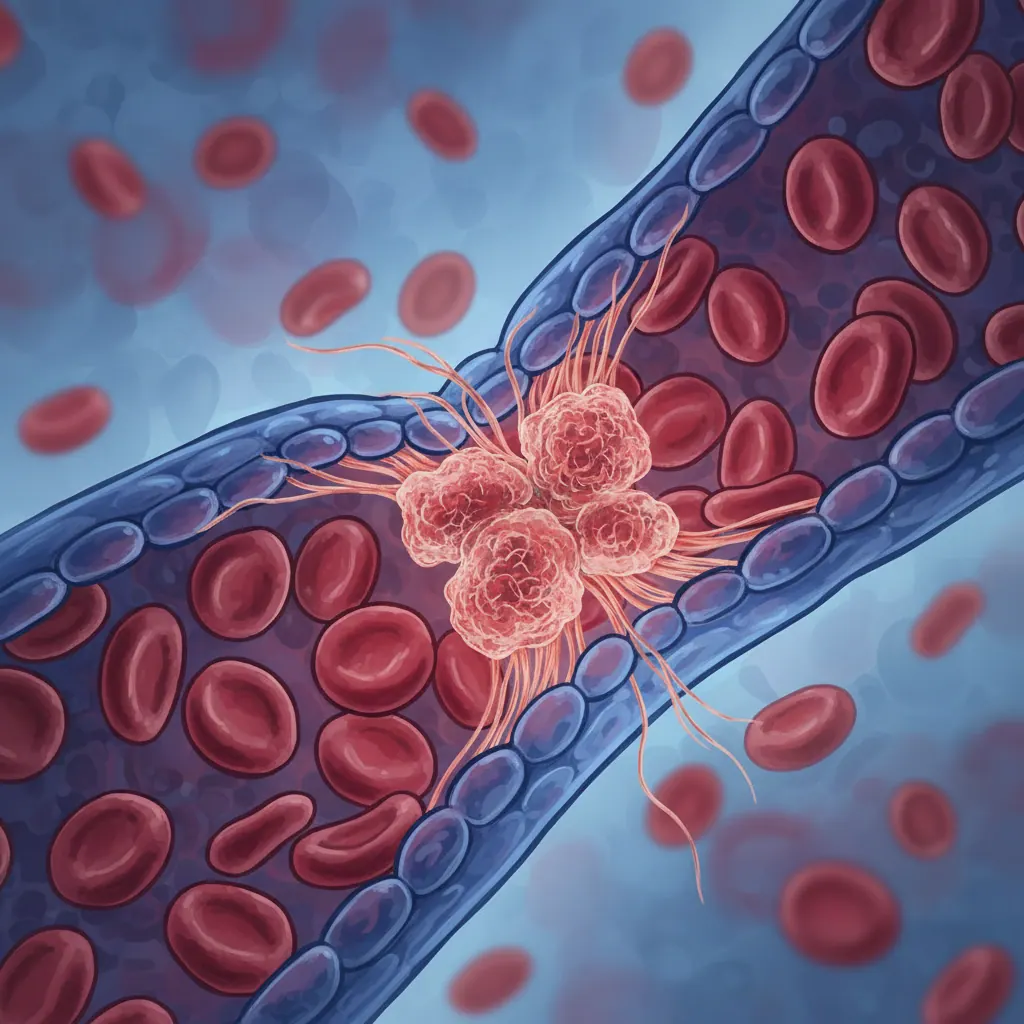
Why do you feel worse a few days into Lyme treatment? What a Herxheimer reaction is, how to tell it from a real setback, and how we manage it during a stay.
Rosenheimer Str. 6-8, 83043 Bad Aibling, Germany · info@clinicum-stgeorg.de
Blog category
Articles on Lyme disease and co-infections: diagnostics, treatment options, Herxheimer reactions and what patients can expect from integrative care.
Why do you feel worse a few days into Lyme treatment? What a Herxheimer reaction is, how to tell it from a real setback, and how we manage it during a stay.
Why fly to Germany for Lyme disease when you have doctors at home? What is available here that is not, what a stay involves, and what to weigh before you book.
Why does the room still tilt months after COVID? What drives post-COVID vertigo and dizziness, which tests show it, and how we treat the causes rather than the sensation.
Is this symptom Long COVID too? A body-system list of Post-COVID and Long COVID symptoms, how common each is, and what they suggest about the mechanism behind them.
Why do standard blood tests miss Long COVID? What microclots are, why routine labs do not show them, and how they are detected and treated.
Gastrointestinal symptoms are among the most common — yet frequently overlooked — manifestations of post-COVID syndrome. While the world has focused primarily on fatigue, brain fog, and respiratory symptoms, a significant proportion of long COVID patients suffer from persistent stomach and…
For millions of people worldwide, the acute phase of COVID-19 has resolved — but the fatigue has not. Post-COVID fatigue is not ordinary tiredness. It is a profound, disabling exhaustion that does not improve with rest, worsens after physical or cognitive exertion (post-exertional malaise), and…
Of all the symptoms that define long COVID, brain fog may be the most disorienting and functionally devastating. Patients describe a persistent cognitive haze — difficulty thinking clearly, impaired memory, slowed processing speed, trouble finding words, and an inability to concentrate that…
Ozone therapy is one of the most sought-after integrative medical treatments worldwide, used for conditions ranging from chronic infections and autoimmune disorders to post-COVID syndrome and anti-aging support. As interest grows, so does the need for transparent information about what ozone…
Nicotinamide adenine dinucleotide (NAD+) intravenous therapy has gained significant attention as a treatment for chronic fatigue, neurological conditions, addiction recovery, and age-related decline. As interest grows, one of the most common questions patients ask is straightforward: how much…
Intermittent Hypoxia-Hyperoxia Training (IHHT) is an innovative regenerative therapy that harnesses the body’s natural adaptive response to varying oxygen levels. Sometimes described as “altitude training at rest,” IHHT delivers carefully controlled cycles of low-oxygen (hypoxic) and high-oxygen…
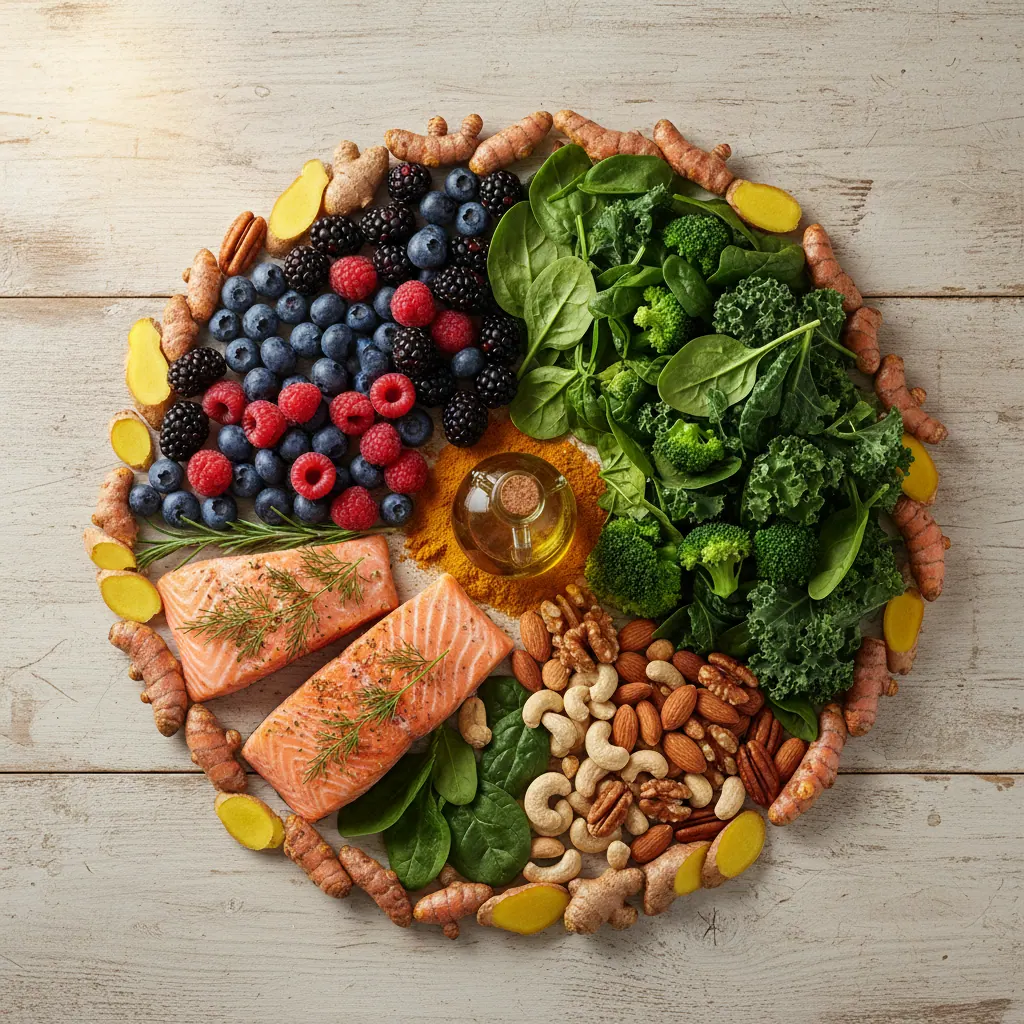
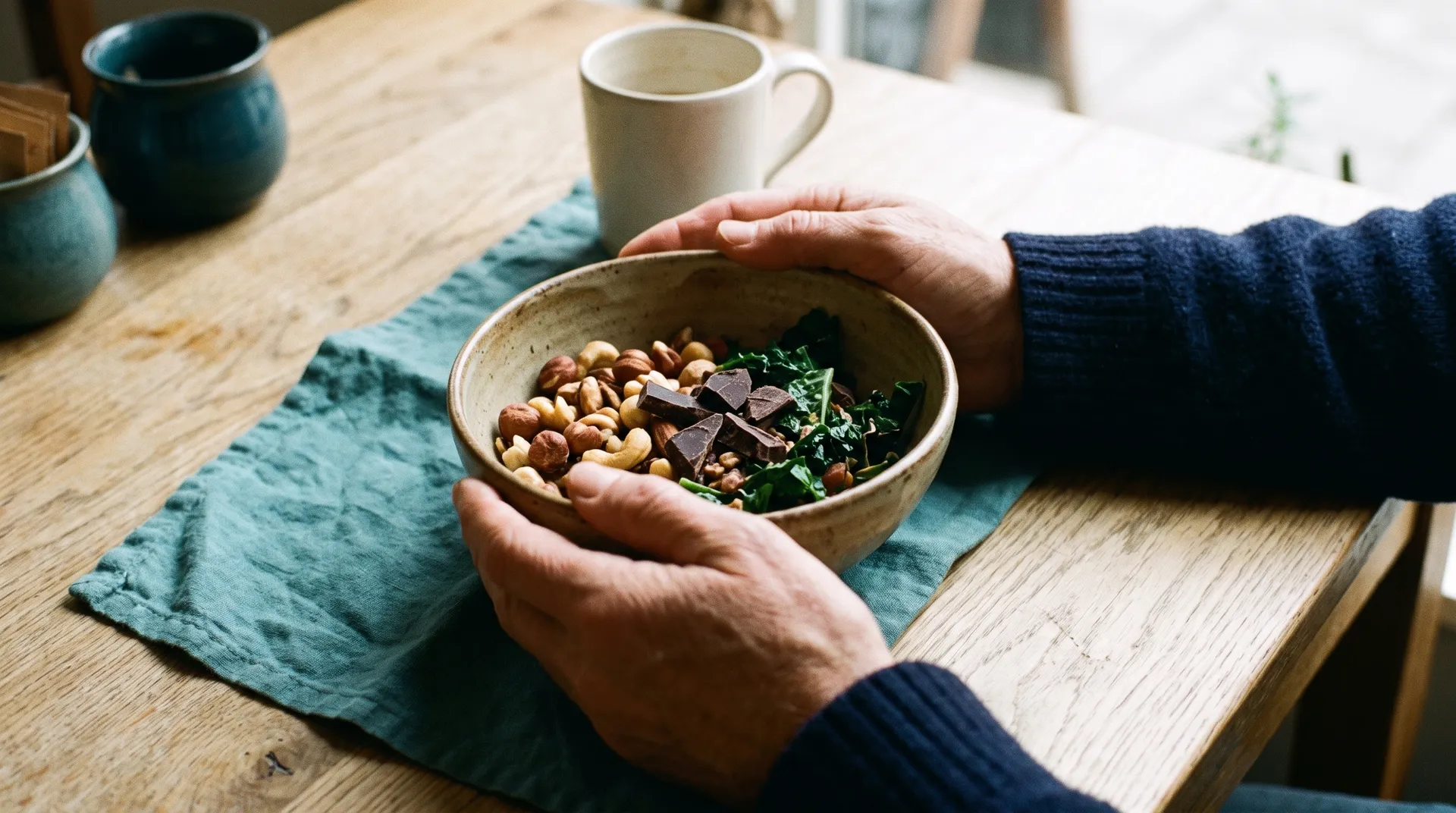
Nutrition alone cannot cure Lyme disease — but it can significantly influence how your body responds to infection and treatment. Chronic Borrelia burgdorferi infection drives persistent inflammation, disrupts gut health, depletes essential nutrients, and impairs mitochondrial function. A…
Peptides are short chains of amino acids — the building blocks of proteins — that serve as signaling molecules throughout the human body. Unlike proteins, which may contain hundreds or thousands of amino acids, peptides typically consist of 2 to 50 amino acids, making them small enough to be…
Hormones govern virtually every physiological process in the human body — from energy production and metabolism to mood regulation, sleep quality, immune function, and reproductive health. Yet conventional medicine often evaluates hormones in isolation, testing a single marker when a patient…
For patients who have endured the exhausting journey of Lyme disease diagnosis and treatment, few questions carry more weight than this: Can it come back? The answer, while nuanced, is that yes — Lyme disease symptoms can return after treatment, and understanding why this happens is essential for
Is 10-pass ozone worth the cost? What high-dose ozone autohemotherapy is, how it differs from standard ozone therapy, what it costs, and where the evidence stands.
Few topics in modern medicine generate as much controversy as chronic Lyme disease. On one side, major infectious disease societies maintain that a short course of antibiotics cures Lyme disease in virtually all cases, and that persistent symptoms represent a post-infectious syndrome rather than…
Never heard of MARCoNS? What this antibiotic-resistant nasal colonisation has to do with chronic illness, how it is tested, and how it is treated.
Lyme disease does not affect men and women equally. While the Borrelia burgdorferi spirochete does not discriminate by sex, the way the infection manifests — and the way it is perceived by the medical system — differs significantly between men and women. The result is a pattern of
Conventional medicine relies on a relatively narrow set of laboratory tests designed primarily to diagnose established disease. A standard blood panel — complete blood count, basic metabolic panel, and perhaps a lipid panel — tells your physician whether you are currently ill. What it cannot…
Neurofeedback therapy — also known as EEG biofeedback — is a non-invasive brain training technique that uses real-time monitoring of brainwave activity to help patients learn to regulate their own neural patterns. By providing visual or auditory feedback about brainwave states, neurofeedback…
Stretch marks with no weight change and no pregnancy? Why unexplained reddish-purple streaks can point to Bartonella, and how the infection is tested and treated.
The thyroid gland contains more selenium per gram of tissue than any other organ in the human body. This remarkable concentration is not accidental — selenium is an essential component of the enzymes that activate thyroid hormones, protect the thyroid from oxidative damage, and regulate the immune
Post-Treatment Lyme Disease Syndrome (PTLDS) refers to the persistence of symptoms — fatigue, pain, cognitive impairment, and neurological dysfunction — in patients who have completed a standard course of antibiotic therapy for Lyme disease. According to the Centers for Disease Control and…
Pregnancy is a time when the health of both mother and developing child is paramount. For women who have been diagnosed with Lyme disease — or who suspect they may have been exposed — the intersection of tick-borne infection and pregnancy raises serious questions about risks, testing,
Mistletoe therapy (Viscum album) is the most widely used complementary cancer therapy in German-speaking countries and across much of Europe. Extracts from the European white-berry mistletoe plant — commercially available as Iscador, Helixor, abnobaVISCUM, and Iscucin — have been used in cancer…
Could Bartonella be the infection nobody tested you for? The symptoms it causes in humans, why it is so often missed, and how we diagnose and treat it.
Glutathione is a tripeptide molecule composed of three amino acids — glutamine, cysteine, and glycine — found in virtually every cell of the human body. Often called the “master antioxidant,” glutathione plays an indispensable role in neutralizing free radicals, supporting liver detoxification,…
Late stage Lyme disease — also called stage 3 or chronic Lyme disease — develops when Borrelia burgdorferi infection remains untreated or inadequately treated for months to years. At this point, the spirochete has disseminated throughout the body, potentially affecting the nervous system, heart,…
For patients battling chronic Lyme disease, one of the most frustrating aspects of the illness is the difficulty of monitoring treatment progress. Standard Lyme serologies (ELISA and Western Blot) detect antibodies — but antibodies can remain positive for years after successful
Nicotinamide adenine dinucleotide (NAD+) is a coenzyme found in every living cell, essential for hundreds of metabolic processes including energy production, DNA repair, cellular signaling, and gene expression. As we age — and during chronic illness — NAD+ levels decline significantly,…
Few areas in medicine generate as much frustration — for patients and physicians alike — as Lyme disease diagnostics. Patients suffering from debilitating symptoms are frequently told their blood tests are “negative” or “inconclusive,” leading to delayed treatment, misdiagnosis, and unnecessary…
Chronic low-grade inflammation is now recognized as a unifying mechanism behind virtually every major chronic disease — from cardiovascular disease and diabetes to cancer, autoimmune conditions, neurodegenerative disorders, and even depression. Unlike acute inflammation, which is a healthy,…
Medical hyperthermia — the controlled therapeutic application of heat — is one of the oldest treatment principles in medicine. Hippocrates observed that fever could cure disease, and modern hyperthermia harnesses this principle with precision engineering, real-time temperature monitoring, and…
Ehrlichia and Anaplasma are obligate intracellular bacteria transmitted by tick bites that cause two closely related diseases — ehrlichiosis and anaplasmosis (formerly known as human granulocytic ehrlichiosis). What makes these pathogens particularly insidious is their target: unlike most…
Feeling worse on Lyme treatment: is it working, or going wrong? What a Jarisch-Herxheimer reaction is, how long it lasts, and how to get through it safely.
When most people think of vitamin C, they think of orange juice and cold prevention. But at pharmacological doses — 25 to 100 grams or more administered intravenously — vitamin C behaves in a fundamentally different way. Rather than acting as the antioxidant it is
When a tick bites, it rarely transmits just one pathogen. Research published in the Journal of Clinical Microbiology confirms that ticks frequently carry multiple infectious agents simultaneously — meaning a single bite can deliver Borrelia burgdorferi (the bacterium responsible for Lyme…
Glutathione (GSH) is a tripeptide composed of three amino acids — glutamine, cysteine, and glycine — present in virtually every cell of the human body. It is the most abundant intracellular antioxidant, and its importance to health cannot be overstated. While vitamins C
Ozone therapy is a medical treatment that uses ozone (O3) — a molecule composed of three oxygen atoms — to stimulate the body’s healing mechanisms, modulate the immune system, and combat infection. While ozone occurs naturally in the atmosphere, medical-grade ozone is produced from pure medical…
Babesia is a genus of protozoan parasites that infect red blood cells, causing a disease known as babesiosis. Often described as a “malaria-like” infection due to its similar mechanism of pathology, Babesia is transmitted primarily through tick bites — the same Ixodes ticks that carry Borrelia…
Low-dose chemotherapy, often delivered through a method called insulin potentiation therapy (IPT), is an integrative oncology approach that uses significantly reduced doses of chemotherapy drugs — typically 10–25% of conventional doses — combined with insulin to enhance their uptake by cancer…
Borrelia burgdorferi — the spirochete bacterium responsible for Lyme disease — has evolved remarkable survival strategies. It can change its morphological form, hide within biofilms, evade the immune system, and persist in tissues with poor blood supply. These characteristics make chronic Lyme
Vitamin C (ascorbic acid) is one of the most well-known nutrients in the world, yet its therapeutic potential is dramatically underestimated when only oral supplementation is considered. The critical distinction lies in bioavailability: oral vitamin C absorption is limited by intestinal…
The search for natural remedies for Lyme disease reflects a genuine clinical need. Many patients with chronic or late-stage Lyme disease find that standard antibiotic therapy alone does not resolve their symptoms. Others experience significant side effects from prolonged antibiotic courses and…
Can an electric current treat a tumor? What electrochemical (galvano) therapy does, which cancers it is used for, and what the evidence shows.
Hyperthermia therapy is a medical treatment in which body tissue is exposed to controlled, elevated temperatures — typically between 38.5°C and 42.5°C (101.3°F-108.5°F) — to produce therapeutic effects. Unlike fever, which occurs as an uncontrolled response to illness, medical hyperthermia is a…
Heavy metal toxicity is an increasingly recognized contributor to chronic illness, yet it remains one of the most frequently overlooked diagnoses in conventional medicine. At St. George Hospital (Klinik St. Georg) in Bad Aibling, Germany, our physicians have spent decades identifying and…
Magnesium is involved in over 600 enzymatic reactions in the human body — more than any other mineral. It is essential for energy production, DNA synthesis, muscle and nerve function, blood sugar regulation, blood pressure control, bone formation, and glutathione production. Yet studies…
Integrative oncology is an evidence-based approach to cancer care that combines the best of conventional medicine — surgery, chemotherapy, radiation, immunotherapy — with carefully selected complementary therapies. The goal is not to replace proven treatments, but to enhance their effectiveness,…
Chelation therapy is a medical treatment that uses specific binding agents — called chelators — to remove toxic heavy metals and excess minerals from the body. The word “chelation” comes from the Greek chele, meaning claw, reflecting how these agents grasp and hold metal ions, allowing them to…
Germany consistently ranks among the world’s top five destinations for medical tourism, attracting an estimated 250,000 international patients annually. The reasons are compelling: a healthcare system built on rigorous scientific standards, some of the most advanced medical technology in the…
Progesterone is one of the most misunderstood hormones in medicine. Most people think of it as exclusively female — yet progesterone plays critical roles in men’s health, brain function, sleep, mood, and metabolic balance. At St. George Hospital (Klinik St. Georg) in Bad Aibling, Germany, we…
Progesterone in men: why would you need it? What this hormone does for prostate, brain and sleep in men, and when testing and replacement make sense.
For decades, medical science taught that brain shrinkage was inevitable and irreversible. We now know this is wrong. Brain cells can regenerate — and the amino acid taurine plays a central role in this process. Taurine is one of the most abundant amino acids in the brain, heart, and retina. Its…
Lugol’s Solution — a combination of elementary iodine and potassium iodide — is one of the most important and affordable preparations in integrative medicine. At St. George Hospital in Bad Aibling, Germany, we have used iodine therapeutically for decades as part of our integrative treatment…
A video consultation in English before you travel. A physician reviews your findings first; we reply by email within one business day (Mon–Fri).
Mon–Thu 08:00–17:00, Fri 08:00–14:00 (CET/CEST)+49 8061 398-0info@clinicum-stgeorg.de
St. George Hospital is a specialist hospital, not an emergency department. In a medical emergency in Germany, dial 112.