
Integrative Support
Complementary therapies
Complementary therapies at St. George Hospital encompass a range of evidence-based supportive treatments that enhance the effectiveness of core medical therapies and support overall patient well-being during treatment.
What it is
What are complementary therapies?
Complementary therapies are medical treatments used alongside primary therapies to improve treatment response, manage side effects, support organ function, and optimize the body’s capacity for healing. These are not alternatives to medical treatment but additions that complete a comprehensive, integrative approach. Every complementary therapy used at St. George Hospital is selected based on the patient’s specific diagnostic profile and treatment goals.

Therapies Included
What treatments are available?
Our complementary therapies may include high-dose intravenous vitamin C, micronutrient infusions (zinc, selenium, B-vitamins, magnesium), ozone therapy, enzyme therapy, probiotic and gut restoration protocols, anti-inflammatory dietary guidance, and specific herbal and botanical preparations. The selection and combination are individualized for each patient based on laboratory results and clinical assessment.
Who it is for
What conditions do they support?
- Cancer (supportive care during treatment)
- Chronic Lyme disease
- Post-COVID syndrome
- Chronic fatigue
- Nutritional deficiencies associated with chronic illness
- Immune support and general health optimization
Could this belong in your plan?
That depends on your findings, not on the therapy. Write to the International Office with a short history; it requests your records afterwards, and a physician reviews them before the video consultation and tells you whether this treatment belongs in your program.
In the room
What a day of it feels like
- Before Your daily schedule lists these as blocks between the core medical treatments, so you know each morning where you need to be.
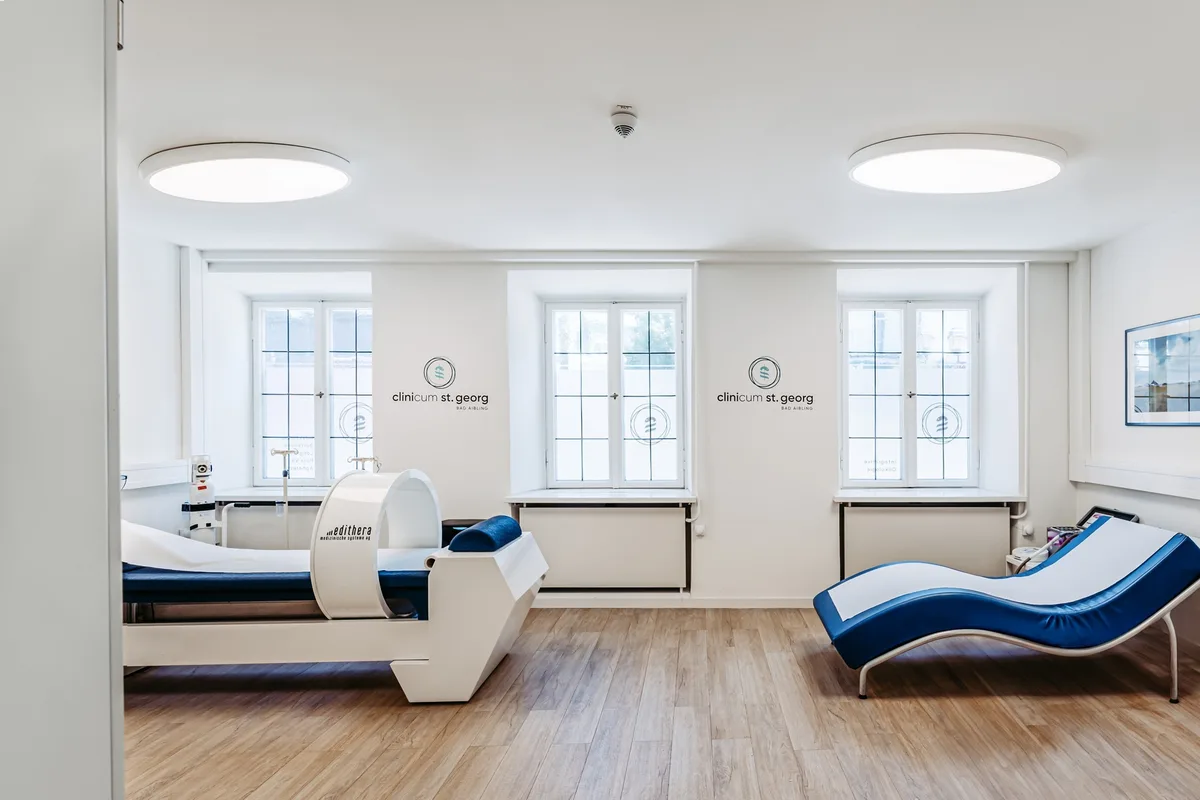
- During An infusion of 30–90 minutes in a chair. A nutrition consultation of 30–45 minutes at a table. An ozone session of about 30 minutes. None of it hurts, and you can read through most of it.
- Afterwards Back to the ward. The point is that these blocks support the main therapies, not that they fill the day.
Evidence
Evidence & safety
High-dose vitamin C, micronutrient therapy, ozone therapy, and enzyme therapy each have published research supporting their use in clinical settings. The scientific rationale for nutritional and biological support in chronic disease management is well-established. St. George Hospital uses these therapies based on a combination of published evidence and extensive clinical experience.
Where we use it
Used in these departments
Send a free inquiry
The initial inquiry is free of charge. The International Office reviews your message and your case directly and gets back to you.
- Phone
- +49 8061 398-0
- Hours
- Mon–Thu 08:00–17:00, Fri 08:00–14:00 German time (CET/CEST); in the US Mon–Thu 2–11 a.m. ET, Fri 2–8 a.m. ET.
Munich Airport (MUC), about 60 minutes by car.