
Integrative Oncology
A different approach to cancer treatment
Complementary oncology, hyperthermia, immune and supportive care in Bad Aibling, coordinated with your standard cancer treatment. Surgery, radiation and CyberKnife can be arranged at collaborating centers. Your records and the assessment on our ward guide the individual plan.
Oncology
About the condition and its treatment
- About the conditionIntegrative cancer treatment
St. George Hospital adds hyperthermia, immune therapy, low-dose chemotherapy with insulin and supportive care to the surgery, chemotherapy and radiotherapy your …
- About the conditionProstate cancer
St. George Hospital offers immune support and supportive care coordinated with the surgery, radiotherapy or hormone therapy your urologist or oncologist has planned.
- About the conditionBreast cancer
St. George Hospital adds local-regional hyperthermia, immune therapy, hormone metabolism work and supportive infusions to the surgery, chemotherapy, radiotherapy …
- Treatment program for international patientsIntegrative oncology program
St. George Hospital in Bad Aibling, Germany, has practiced integrative oncology since 1991.
- TherapyOncology therapies
Explore oncology therapies at St. George Hospital and specialist treatment at collaborating centers.
- TherapyHyperthermia
Hyperthermia raises the temperature of a tumor region or of the whole body, under medical monitoring.
- TherapyIPT chemotherapy
Insulin-potentiated therapy (IPT) is low-dose chemotherapy combined with insulin: a controlled dose of insulin is given first, a fraction of the standard …
What is integrative oncology?
Integrative oncology adds therapies that act on the tumor environment, the immune system and your general condition to standard cancer treatment. Here that means hyperthermia, immune therapies, infusion protocols and supportive care during an inpatient stay in Bad Aibling. Your oncologist keeps your standard treatment; we coordinate with them and can give certain regimens on site.
The founder, Friedrich Douwes M.D. (1945 to 2022), brought whole-body hyperthermia into everyday clinical use here in the early 1990s and built the oncology program around it. More than 30,000 whole-body hyperthermia sessions have been carried out on the ward.
Is this program right for you?
The program can be considered if
- You are receiving or planning standard oncology treatment and want to add hyperthermia and supportive therapies, in coordination with your oncologist.
- You have completed standard treatment and want to know which complementary therapies are reasonable now.
- You have advanced or recurrent cancer and are looking for additional options alongside what your oncologist offers.
- You want a second reading of your records and a written proposal before deciding anything.
It is not for you if
- You are looking for a replacement for the surgery, chemotherapy or radiotherapy your oncologist recommends. The hospital complements standard oncology.
- You expect a promise of cure. The hospital makes no such promise.
- Whole-body hyperthermia is excluded for you, for example by uncontrolled heart disease, a recent stroke or severe lung disease. See the exclusions for whole-body hyperthermia; local-regional hyperthermia and the other therapies have their own.
How we assess your case
Your findings decide which therapies are safe, and in which order.
Records review
The oncology team reads your pathology reports, imaging and treatment records, and you speak with a physician by video in English.
Written proposal
If a stay makes sense, you receive the proposed program and an itemized cost overview in writing.
Measurement on the ward
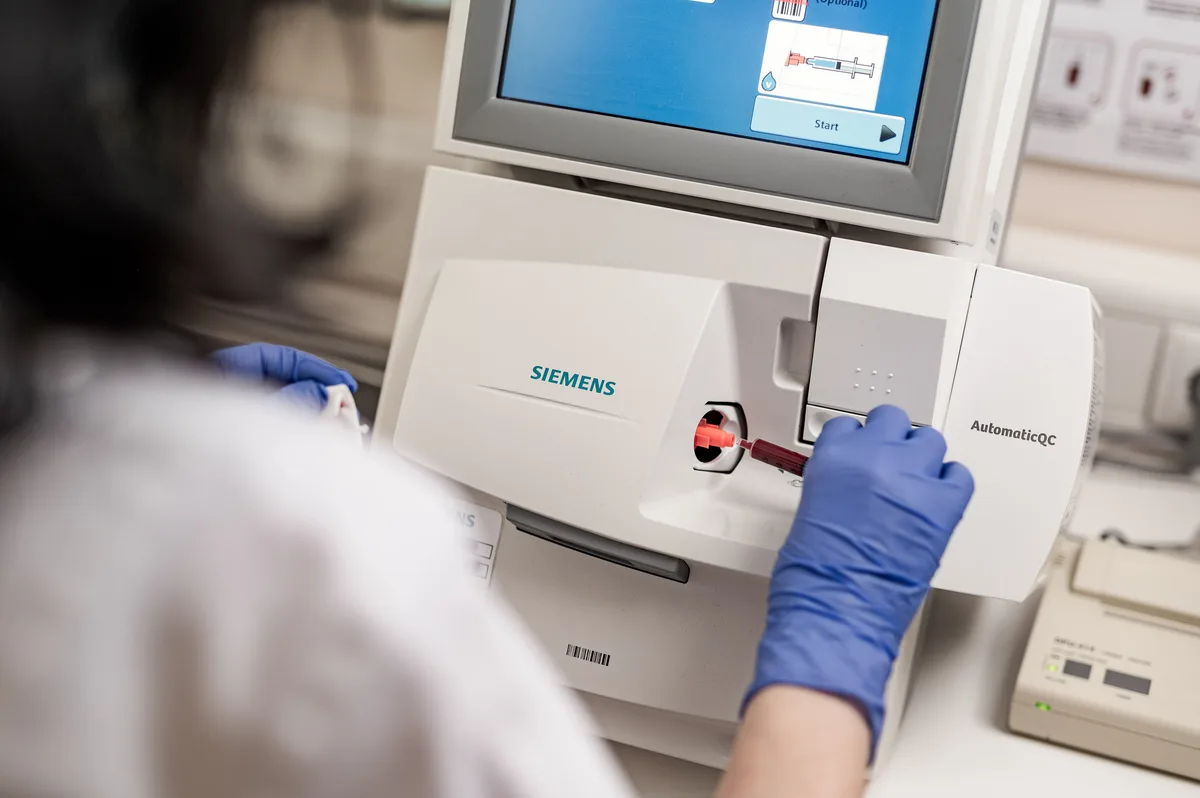
Immune status, inflammation and tumor markers, organ function (liver, kidney, heart) and nutritional status.
Therapies
Hyperthermia, immune and supportive therapies, scheduled around your chemotherapy or radiotherapy cycles.
Aftercare
A written report and follow-up plan for your oncologist at home. Further cycles are planned individually.
Imaging from home is reviewed; additional imaging is ordered only when it changes the plan.
Laboratory and immune testingSurgery, radiation and CyberKnife at a collaborating center
When indicated, surgery, radiation therapy and CyberKnife treatment are provided at a collaborating center. Its specialist team assesses suitability and delivers the procedure; our team coordinates the hospital program, recovery and follow-up with them.
- SurgerySurgery at a collaborating center
Specialist surgical assessment and treatment, with the timing of hospital care agreed together.
- Radiation therapyCoordinating radiation therapy
A radiation oncologist plans the technique and schedule for your diagnosis.
- CyberKnifeAbout CyberKnife
Robotic stereotactic radiation for selected indications, assessed by the collaborating radiation center.
The location, appointments and cost arrangements are clarified before travel.
Additional options within your individual plan
- Immune therapy and infusions
Review immune therapy, artesunate IV, curcumin IV, high-dose vitamin C and amino-acid infusions, including the evidence and appropriate clinical setting for each.
- Heavy-metal assessmentAssessment and treatment options
Exposure history and appropriate testing guide whether treatment is indicated. Heavy-metal detoxification is not an established cancer treatment.
- Chemo brain and rehabilitationCognitive rehabilitation options
Assessment of cognitive symptoms and an individual rehabilitation plan. Neuromodulation for chemo brain remains investigational.
Therapeutic plasma exchange is also available for assessment across our condition programs. A cancer diagnosis alone is not an indication for plasma exchange; suitability depends on the specific clinical problem.
How we treat cancer at St. George Hospital
Every therapy here is added to standard oncology treatment. The program is agreed with your oncologist at home, and hyperthermia is scheduled around your chemotherapy or radiotherapy cycles.
Show each therapy in detail
1. Coordination with your standard treatment
The hospital agrees the program with your oncologist at home, schedules hyperthermia around your chemotherapy or radiotherapy cycles, and can give certain chemotherapy regimens on site. Your cancer medication is not changed without this coordination. How integrative cancer treatment is planned
2. Local-regional hyperthermia
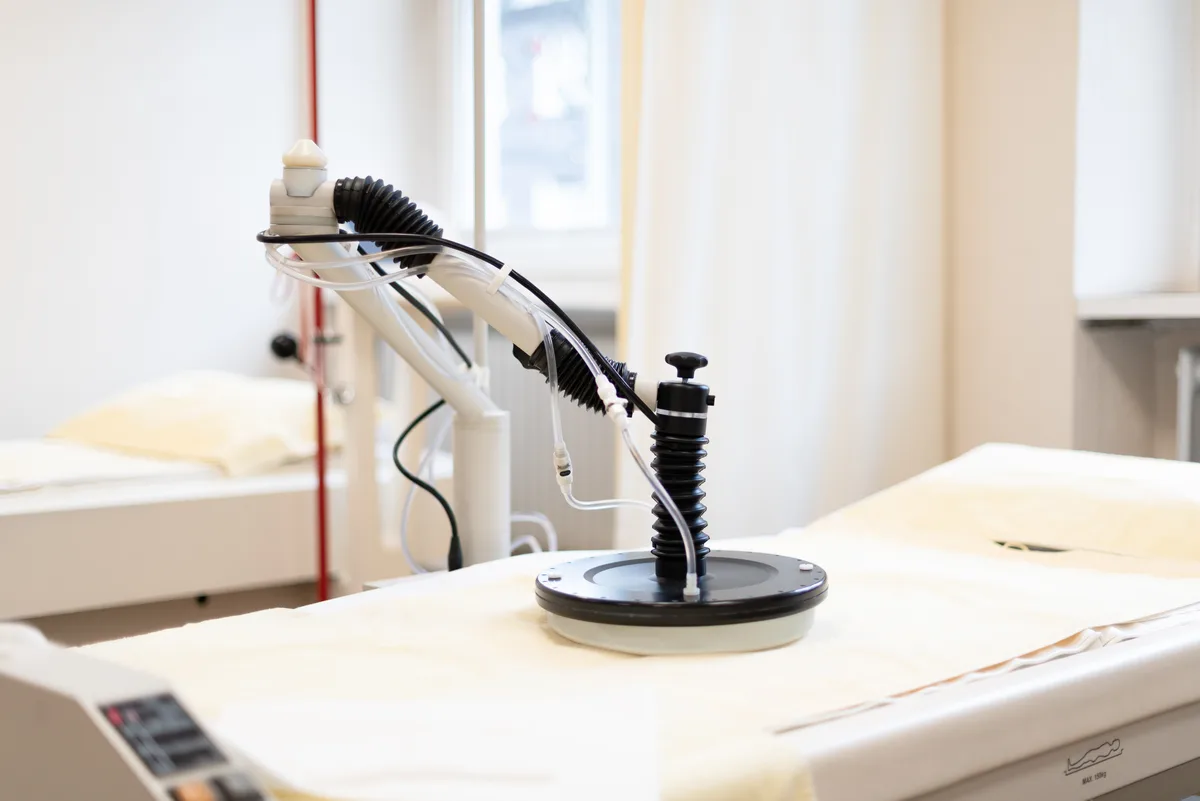
Applicators on the body surface heat the tumor region to 40–44 °C / 104.0–111.2 °F for about 60 minutes, two to three times a week, without anesthesia. The hospital uses it alongside chemotherapy or radiotherapy, which is the setting the trials studied. What local-regional hyperthermia involves
3. Whole-body hyperthermia
The core body temperature is raised under sedation and continuous monitoring, in sessions of four to six hours, with recovery days between sessions. For tumor patients it is combined with chemotherapy or immunotherapy. What a whole-body hyperthermia session involves
4. Immune therapies
Depending on the immune profile: mistletoe extract (Viscum album), thymus peptides, high-dose vitamin C infusions and, in selected cases, dendritic cell preparations. Repeat testing in the second week shows whether the immune markers move. What immune therapy involves, high-dose vitamin C infusions
5. Insulin-potentiated low-dose chemotherapy (IPT)
A controlled dose of insulin, then a fraction of the standard dose of a chemotherapy drug, then glucose, with a physician and a nurse present for the whole session of two to three hours. IPT is not guideline care. Your physician offers it as a treatment attempt, decided with you, and only alongside or after the regimen your oncologist recommends. How IPT works and what is known about it
6. Photodynamic therapy
Photodynamic therapy activates a light-sensitive agent with light of a specific wavelength. Suitability is assessed by tumor site and indication.
7. Supportive care
Nutritional medicine, detoxification protocols where a measured burden calls for them, physiotherapy and psychosomatic support run alongside the program, so that the patient is in condition for the next cycle at home. All oncology therapies, each with its evidence level
Therapies
Therapies in the oncology program
- TherapyLocal-regional hyperthermia
Heats the tumor region to 40–44 °C / 104.0–111.2 °F for about 60 minutes, alongside chemotherapy or radiotherapy.
- TherapyWhole-body hyperthermia
Core temperature raised under sedation and monitoring, combined with chemotherapy or immunotherapy.
- TherapyImmune therapy
Mistletoe extract, thymus peptides and high-dose vitamin C, chosen from your immune profile.
- TherapyIPT low-dose chemotherapy
Insulin, then a fraction of a standard chemotherapy dose. An individual treatment attempt, not guideline care.
- TherapyPhotodynamic therapy
A light-sensitive agent activated by light of a specific wavelength.
Where your treatment happens
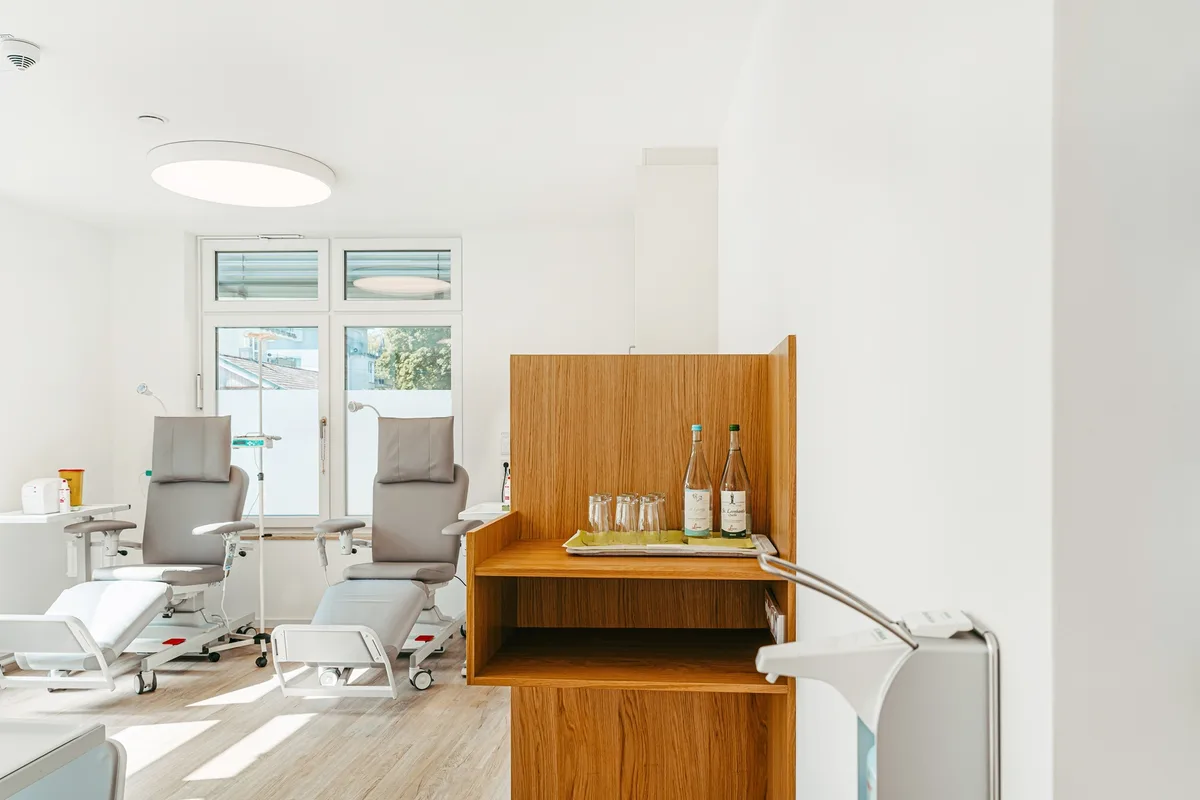
The infusion room · Clinicum St. Georg 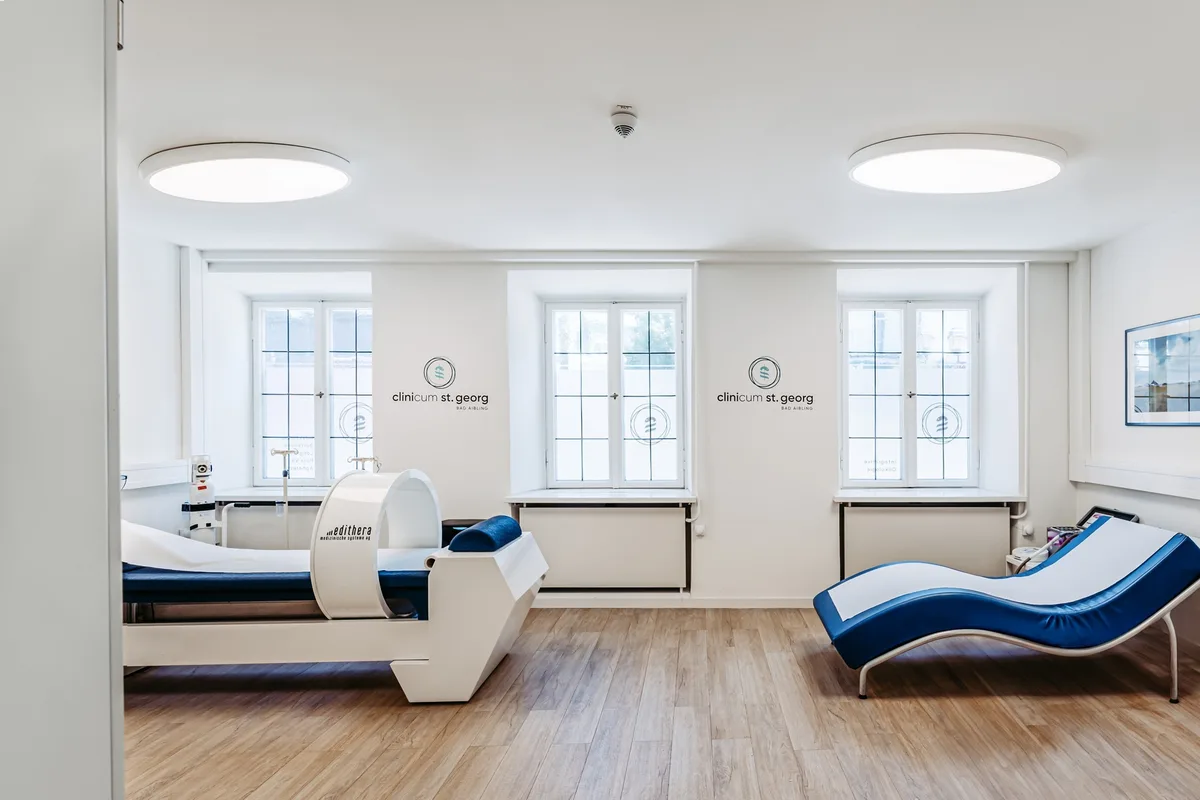
A therapy room · Clinicum St. Georg 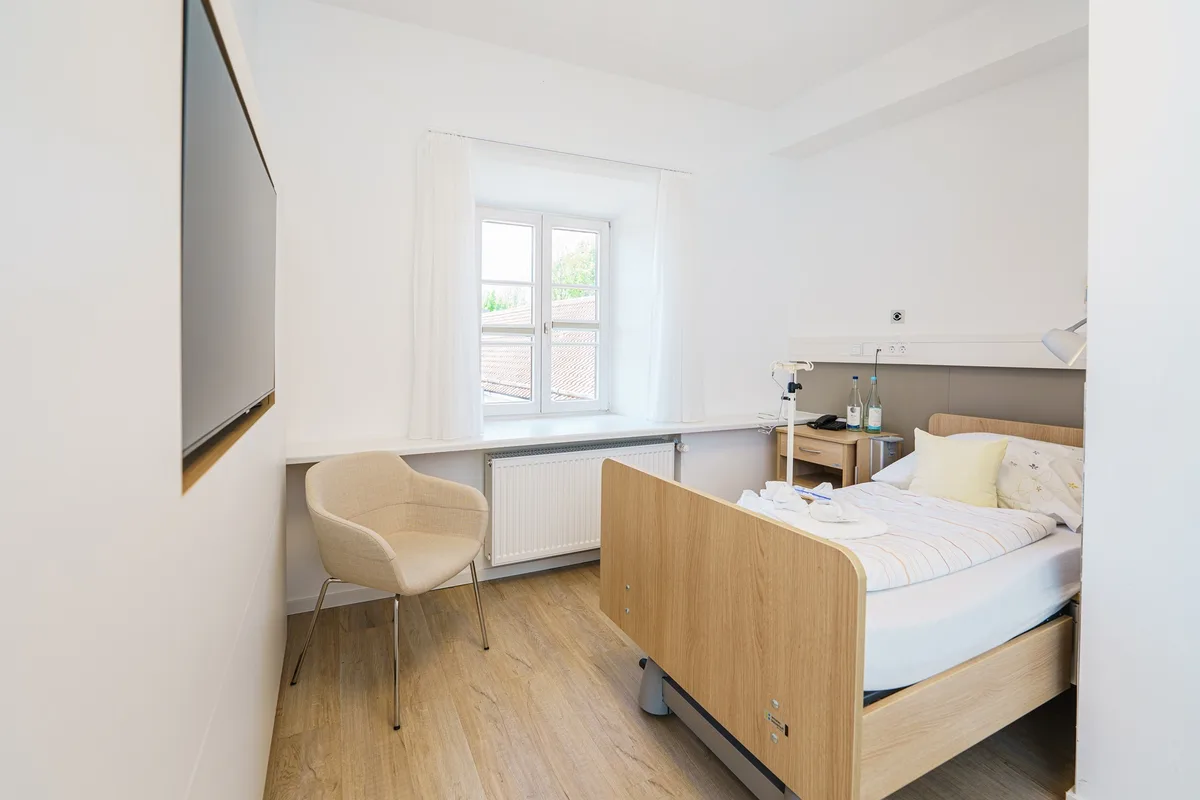
A patient room · Clinicum St. Georg
Who leads the program

Julian Douwes M.D.
Chief Medical Officer
Program leadership and treatment protocol development
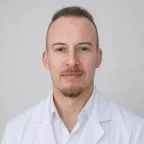
Martin Rößner M.D.
Chief Physician
Chief Physician; daily clinical care and patient consultations

Gabriele Zabel M.D.
Attending Physician
Inpatient care and day-to-day medical support
Evidence and limits
Adding hyperthermia to radiotherapy or chemotherapy rests on randomized trials in named indications: pelvic tumors, recurrent breast cancer and soft-tissue sarcoma. For mistletoe, vitamin C and IPT the evidence is moderate to limited. None replaces standard treatment.
Read the evidence in detail
Hyperthermia added to radiotherapy or chemotherapy: strong in named indications. In the Dutch Deep Hyperthermia Trial, adding hyperthermia to radiotherapy in locally advanced pelvic tumors improved complete response and, in cervical cancer, survival (van der Zee et al., Lancet, 2000). A meta-analysis of locoregional recurrent breast cancer found higher complete response rates with hyperthermia plus radiotherapy than with radiotherapy alone (Datta et al., Int J Radiat Oncol Biol Phys, 2016). In high-risk soft-tissue sarcoma, the EORTC randomized trial of chemotherapy with or without regional hyperthermia showed longer local progression-free and disease-free survival (Issels et al., Lancet Oncology, 2010), and the long-term analysis reported improved overall survival (Issels et al., JAMA Oncology, 2018). In these settings our use of hyperthermia rests on randomized trials. Outside them it rests on decades of clinical experience on our ward, and the published evidence is moderate to emerging.
Mistletoe: moderate for quality of life, limited for survival. A systematic review and meta-analysis found improved quality of life in cancer patients treated with mistletoe extracts (Loef and Walach, BMC Complement Med Ther, 2020). The same group's survival meta-analysis reported an association, with low certainty because of the quality of the included studies (Loef and Walach, Integr Cancer Ther, 2022). The hospital uses mistletoe as a supportive therapy, not as a tumor treatment.
High-dose vitamin C: emerging. A small randomized trial in metastatic pancreatic cancer (36 patients randomized) added pharmacological ascorbate to gemcitabine and nab-paclitaxel with overall survival as the primary outcome (Bodeker et al., Redox Biology, 2024); it is a phase II signal, not a standard of care. The hospital gives high-dose vitamin C within the supportive part of the plan.
Integrative care during standard treatment: endorsed for symptoms. ASCO endorsed the Society for Integrative Oncology guideline on integrative therapies during and after breast cancer treatment for anxiety, mood, quality of life and treatment side effects (Lyman et al., J Clin Oncol, 2018).
IPT and dendritic cells: limited. The literature for these consists of case series, cohort data and pharmacological studies. Your physician offers them as treatment attempts and explains the state of knowledge for each before you consent.
What the evidence does not show. No study shows that integrative oncology can replace surgery, chemotherapy or radiotherapy. Responses differ from patient to patient; the physicians document the course so that your oncologist at home can follow it.
Common questions about integrative oncology
Do you replace conventional cancer treatment?
No. The integrative oncology program complements surgery, chemotherapy, radiotherapy and immunotherapy. Many patients receive the hospital's therapies alongside the treatment of their oncologist at home, in coordination with that oncologist. Patients who have completed standard treatment, or for whom no further standard option is offered, can be assessed for the complementary therapies as an individual plan.
What types of cancer do you treat?
The hospital treats patients with many types of cancer, including prostate, breast, colorectal, pancreatic, lung and ovarian cancer. The program applies to most solid tumors and to some cancers of the blood. The oncology team assesses from your records whether the program is appropriate for your type and stage, and says so before you travel.
Can I continue my chemotherapy while at St. George Hospital?
Yes. Treatment is coordinated with your oncologist at home. The hospital can give certain chemotherapy regimens on site, and hyperthermia is scheduled around them. The hospital does not change your cancer medication without this coordination.
What is the role of hyperthermia in cancer treatment?
Hyperthermia raises the temperature of a tumor region (local-regional) or of the whole body under monitoring. The evidence is strongest where hyperthermia is added to radiotherapy or chemotherapy in named indications, for example locally advanced cervical cancer, recurrent breast cancer on the chest wall and high-risk soft-tissue sarcoma. The hospital uses it in that way: in addition, never instead.
How long is a typical oncology program?
Two to four weeks as an inpatient, depending on the type and stage of the cancer and on the plan. Some patients return for further cycles after three to six months. The length is agreed with you before the stay begins.
Which records do you need before the video consultation?
Pathology reports, imaging with the written reports, records of previous treatments, letters from your physicians and a list of your current medication with doses. Incomplete records are acceptable for the first review; the physician tells you what is missing.
Is IPT low-dose chemotherapy a replacement for standard chemotherapy?
No. IPT gives a fraction of the standard dose of a chemotherapy drug after a controlled dose of insulin. The published literature consists of case series and pharmacological studies, so the evidence is limited. The hospital offers IPT only as a treatment attempt within your plan, decided with you, and never in place of a guideline regimen your oncologist recommends.
What does the program cost?
After a physician has reviewed your findings, you receive a written, itemized cost overview: a package price plus individual add-ons. Treatment is self-pay; the itemized invoice can be submitted to a US insurer for out-of-network review. We cannot promise reimbursement.
Stories of hope
“I came for treatment for an inoperable Chondrosarcoma which was classed as terminal in Australia in 1998. I was 28 years old. I am now 55 with 4 beautiful children.” International Patient, Australia Integrative Cancer Treatment
“The urologist’s report after recent MRI test looks really good! Your knowledge, dedication and professionalism is outstanding! You and your clinic gave us our hope back which is the precious gift to us.” International Patient’s Spouse Prostate Cancer Treatment, 2024
Write to the International Office
The International Office handles your inquiry, records, travel and follow-up questions.
Step 1: Initial inquiry
A short message by online form, email or phone. The initial inquiry is free of charge.
Free of charge
Step 2: Reply from the International Office
The International Office reviews your message and your case directly and gets back to you.
Step 3: Secure transfer of records
After the first contact, the International Office requests your medical records and tells you how to send them securely.
Step 4: Medical review and video call
Your records are reviewed medically. A video call with a medically trained member of the International Office is free of charge; a video consultation with a physician is usually charged, and the International Office explains the fee before booking.
Video call with the International Office: free of charge
Step 5: Treatment proposal and cost overview
You receive an individual treatment proposal and an itemized cost overview in writing.
Step 6: Travel, stay and aftercare
The International Office helps you plan travel and your stay. You go home with detailed written plans for your doctor; follow-up questions go to the International Office.
In a short inquiry, describe your diagnosis and the treatment so far. Information for international patients, costs and insurance.
Costs, in plain terms
- Self-pay: package price plus individual add-ons; no prices online.
- An itemized cost overview in writing before you travel; airport transfers are charged extra.
- No reimbursement promise; US patients can be put in touch with an independent US reimbursement office.
- Deposit before admission; the payment process is explained with your cost overview.
References
- Comparison of radiotherapy alone with radiotherapy plus hyperthermia in locally advanced pelvic tumours: a prospective, randomised, multicentre trial. Lancet 2000. PMID 10791373
- Hyperthermia and radiation therapy in locoregional recurrent breast cancers: a systematic review and meta-analysis. International Journal of Radiation Oncology, Biology, Physics 2016. PMID 26899950
- Neo-adjuvant chemotherapy alone or with regional hyperthermia for localised high-risk soft-tissue sarcoma: a randomised phase 3 multicentre study. Lancet Oncology 2010. PMID 20434400
- Effect of neoadjuvant chemotherapy plus regional hyperthermia on long-term outcomes among patients with localized high-risk soft tissue sarcoma: the EORTC 62961-ESHO 95 randomized clinical trial. JAMA Oncology 2018. PMID 29450452
- Quality of life in cancer patients treated with mistletoe: a systematic review and meta-analysis. BMC Complementary Medicine and Therapies 2020. PMID 32690087
- Survival of cancer patients treated with non-fermented mistletoe extract: a systematic review and meta-analysis. Integrative Cancer Therapies 2022. PMID 36324298
- A randomized trial of pharmacological ascorbate, gemcitabine, and nab-paclitaxel for metastatic pancreatic cancer. Redox Biology 2024. PMID 39369582
- Integrative therapies during and after breast cancer treatment: ASCO endorsement of the SIO clinical practice guideline. Journal of Clinical Oncology 2018. PMID 29889605
From the journal
Reading on Integrative oncology
- Vitamin C · · 6 min read
High-Dose vitamin C IV for cancer: Mechanism, evidence, and clinical application
When most people think of vitamin C, they think of orange juice and cold prevention. But at pharmacological doses — 25 to 100 grams or more administered intravenously — vitamin C behaves in a fundamentally different way. Rather than acting as the antioxidant it is
- Cancer & oncology · · 6 min read
Integrative oncology: A comprehensive guide to combining the best of modern cancer medicine
Integrative oncology is an evidence-based approach to cancer care that combines the best of conventional medicine — surgery, chemotherapy, radiation, immunotherapy — with carefully selected complementary therapies. The goal is not to replace proven treatments, but to enhance their effectiveness,…
- Chemotherapy & IPT · · 6 min read
Low-Dose chemotherapy (IPT): Insulin potentiation therapy explained
Low-dose chemotherapy, often given as insulin potentiation therapy (IPT), uses about 10–25% of conventional chemotherapy doses combined with insulin, with the aim of increasing drug uptake by cancer cells. How it works and what the evidence shows.
Send a free inquiry
The initial inquiry is free of charge. The International Office reviews your message and your case directly and gets back to you.
- Phone
- +49 8061 398-0
- Hours
- Mon–Thu 08:00–17:00, Fri 08:00–14:00 German time (CET/CEST); in the US Mon–Thu 2–11 a.m. ET, Fri 2–8 a.m. ET.
Munich Airport (MUC), about 60 minutes by car.