
Electrochemical Treatment
ECT / Galvano Therapy
Electrochemical therapy (ECT), also known as Galvano therapy, uses low-level direct electrical current applied directly to tumors to induce localized tissue destruction. It is a minimally invasive option for treating accessible solid tumors.
What Is ECT / Galvano Therapy?
ECT works by inserting thin electrode needles into or around a tumor and passing a low-level direct current between them. The electrical current causes electrochemical reactions within the tumor tissue, including changes in pH, production of toxic chlorine and sodium hydroxide at the electrodes, and disruption of the cellular environment. These reactions destroy tumor cells in the treated area.
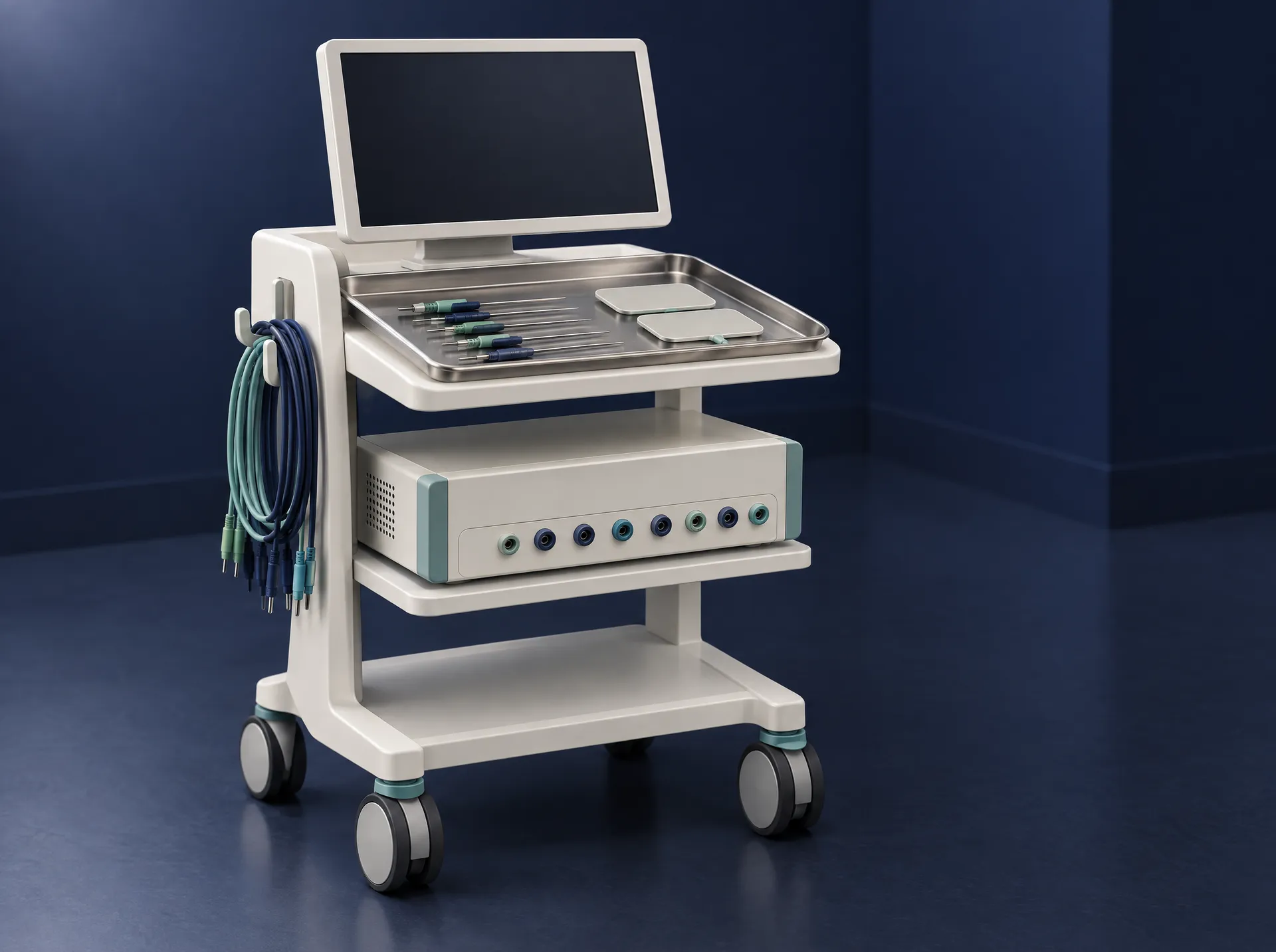
How Does It Work?
Under local anesthesia or mild sedation, thin platinum electrodes are placed into or adjacent to the tumor using imaging guidance. A controlled direct current is applied for a defined duration, typically at low amperage. The treatment is monitored in real time. The electrochemical reactions gradually destroy the tumor from within, and the body then absorbs the treated tissue over the following weeks.
What Conditions Does It Treat?
- Accessible solid tumors
- Superficial or subcutaneous cancers
- Tumors not suitable for surgical resection
- Metastatic skin lesions
Is CES Right for You?
CES is a gentle, well-tolerated treatment that may complement other therapies. Our specialists will assess whether it is appropriate for your condition
What a session feels like
- Before Local anesthesia at the sites where the fine electrodes are placed in and around the tumor.
- During 1–3 hours depending on tumor size and location. A low direct current runs between the electrodes; you may feel warmth or slight pressure, rarely more.
- Afterwards Most people are back to normal activities shortly afterwards. Larger tumors may need several sessions.
Evidence & Safety
ECT has been studied in clinical research since the 1970s and is used at specialized cancer centers worldwide. Published literature includes clinical studies demonstrating tumor regression in various cancer types. The therapy has a favorable safety profile with minimal systemic side effects due to its localized mechanism of action.
Request a consultation
A video consultation in English before you travel. A physician reviews your findings first; we reply by email within one business day (Mon–Fri).
Mon–Thu 08:00–17:00, Fri 08:00–14:00 (CET/CEST)+49 8061 398-0info@clinicum-stgeorg.de
St. George Hospital is a specialist hospital, not an emergency department. In a medical emergency in Germany, dial 112.